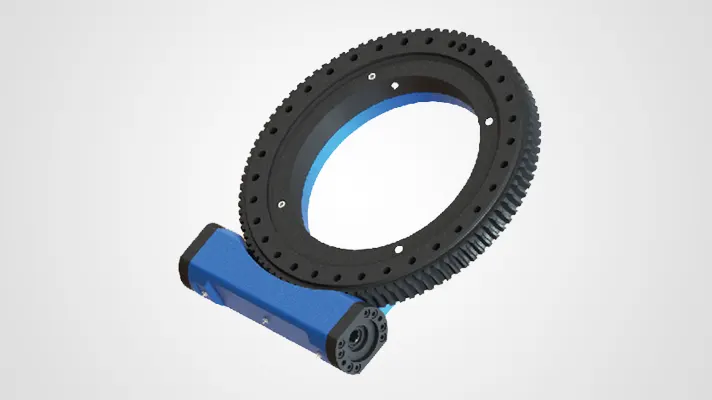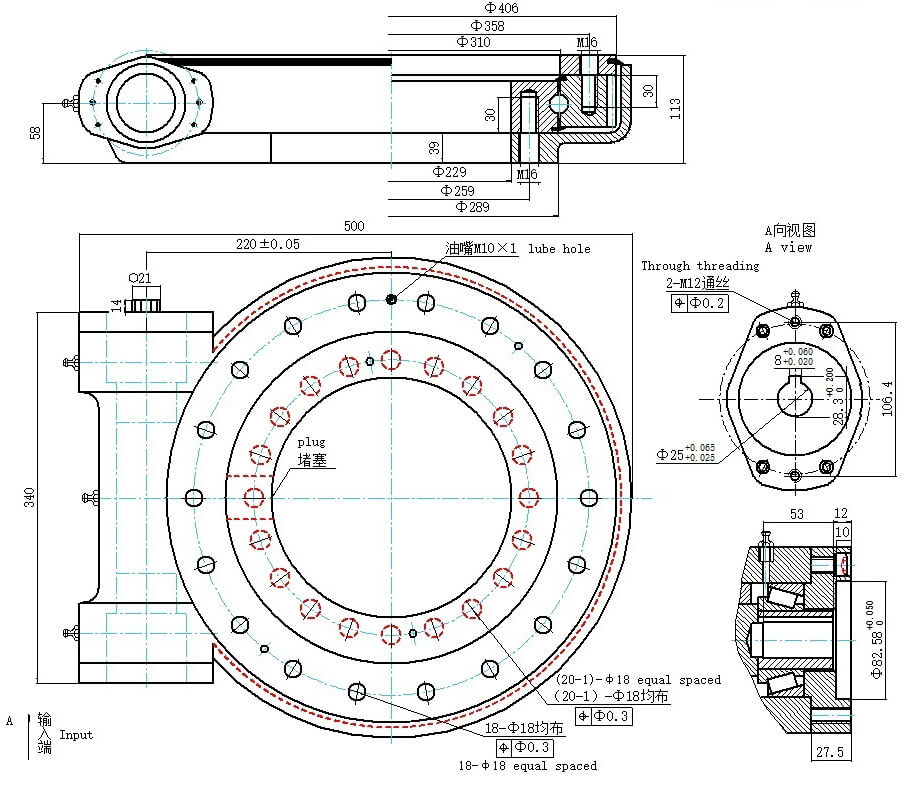


SE3 slew drive for solar panel
July 3, 2024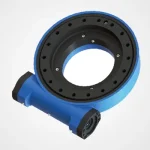
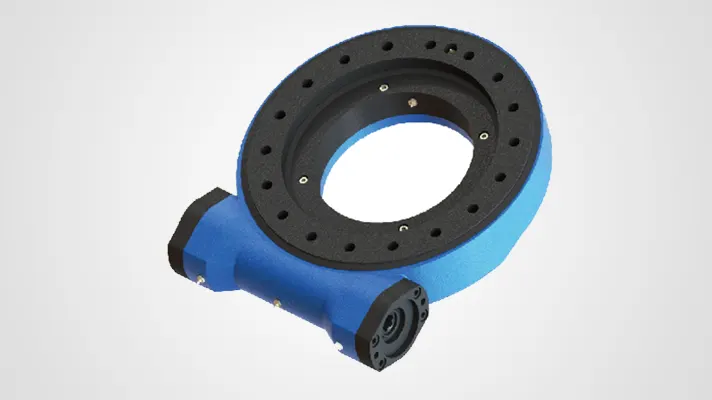
SE7 slew drive rotator
July 16, 2024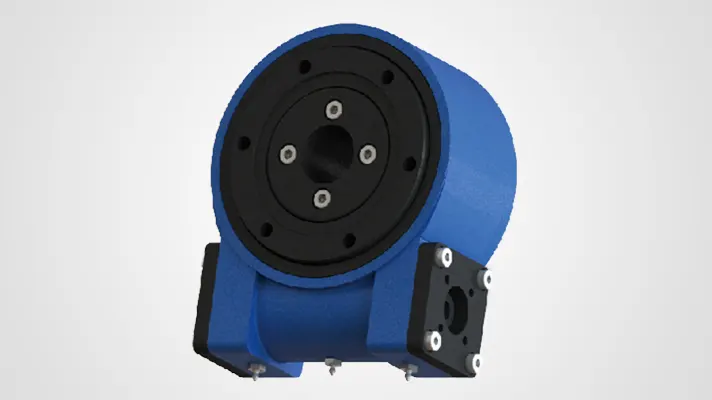
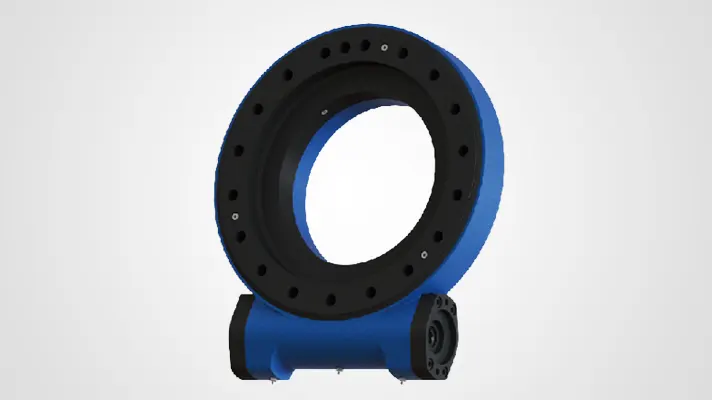
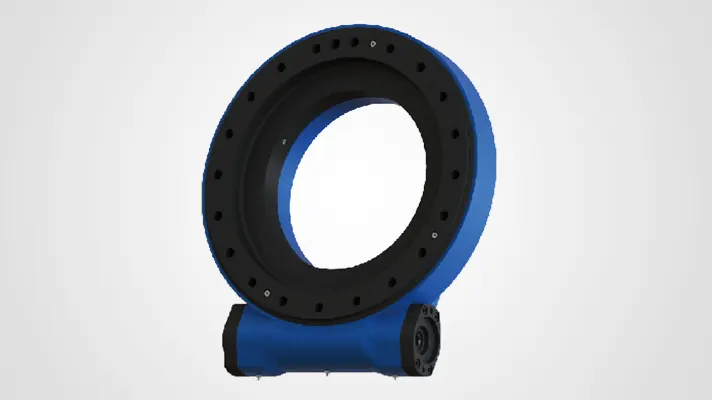
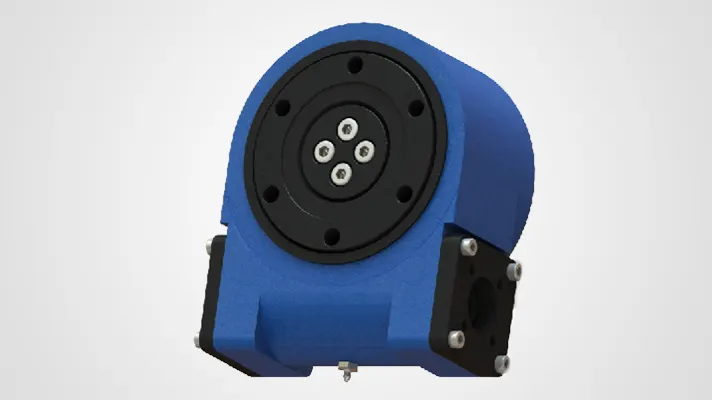
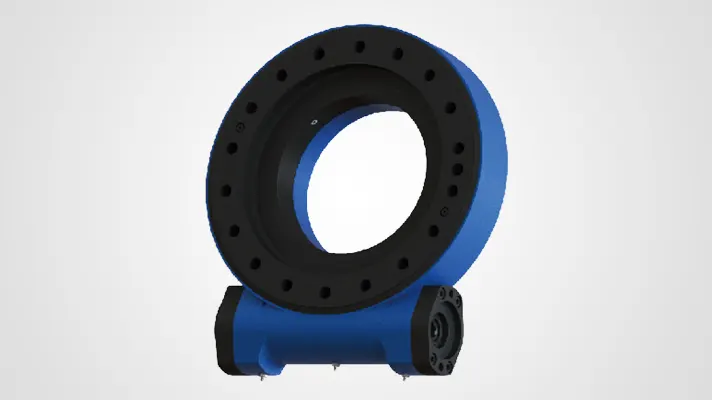
SE5 slew drive solar tracker
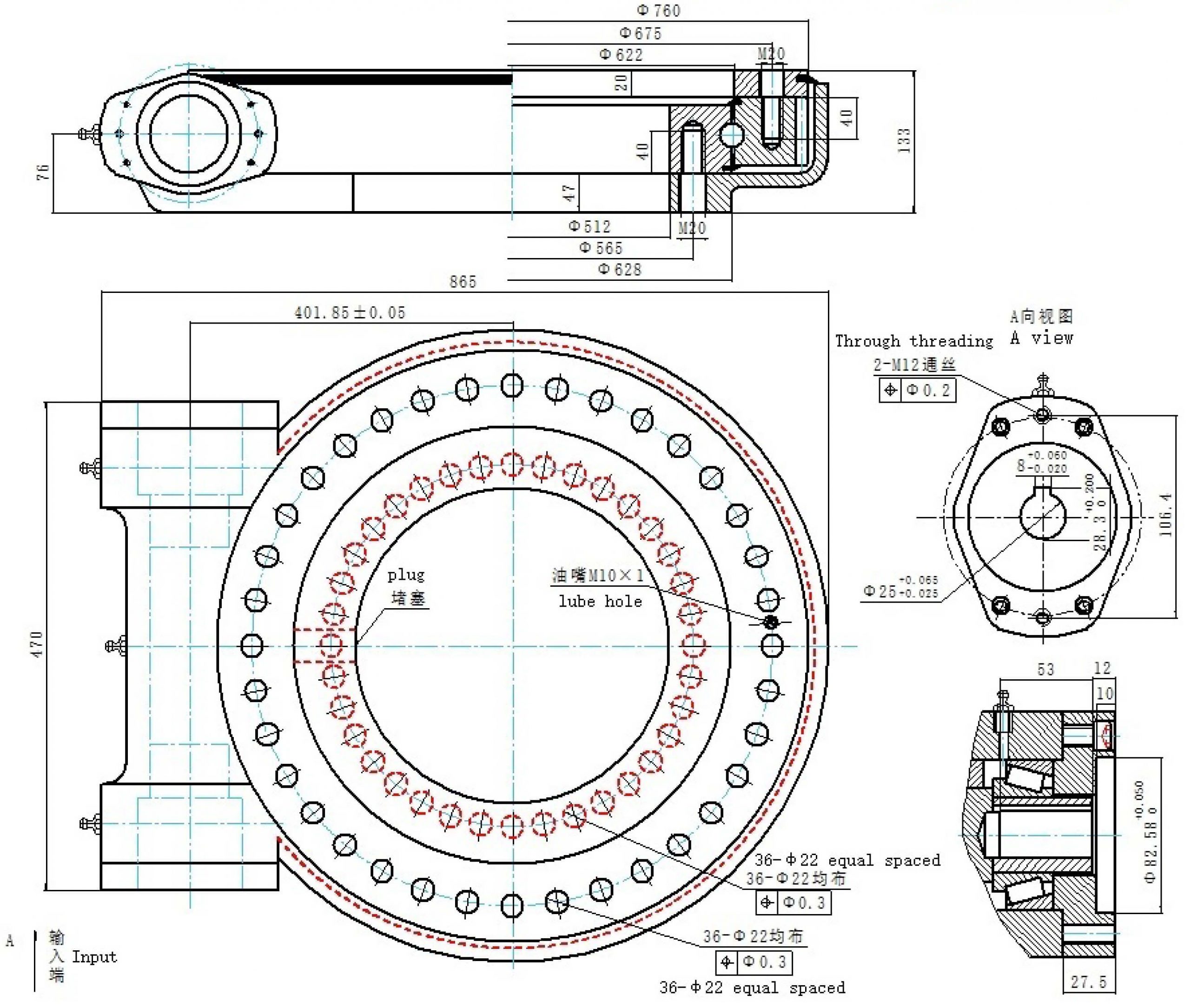
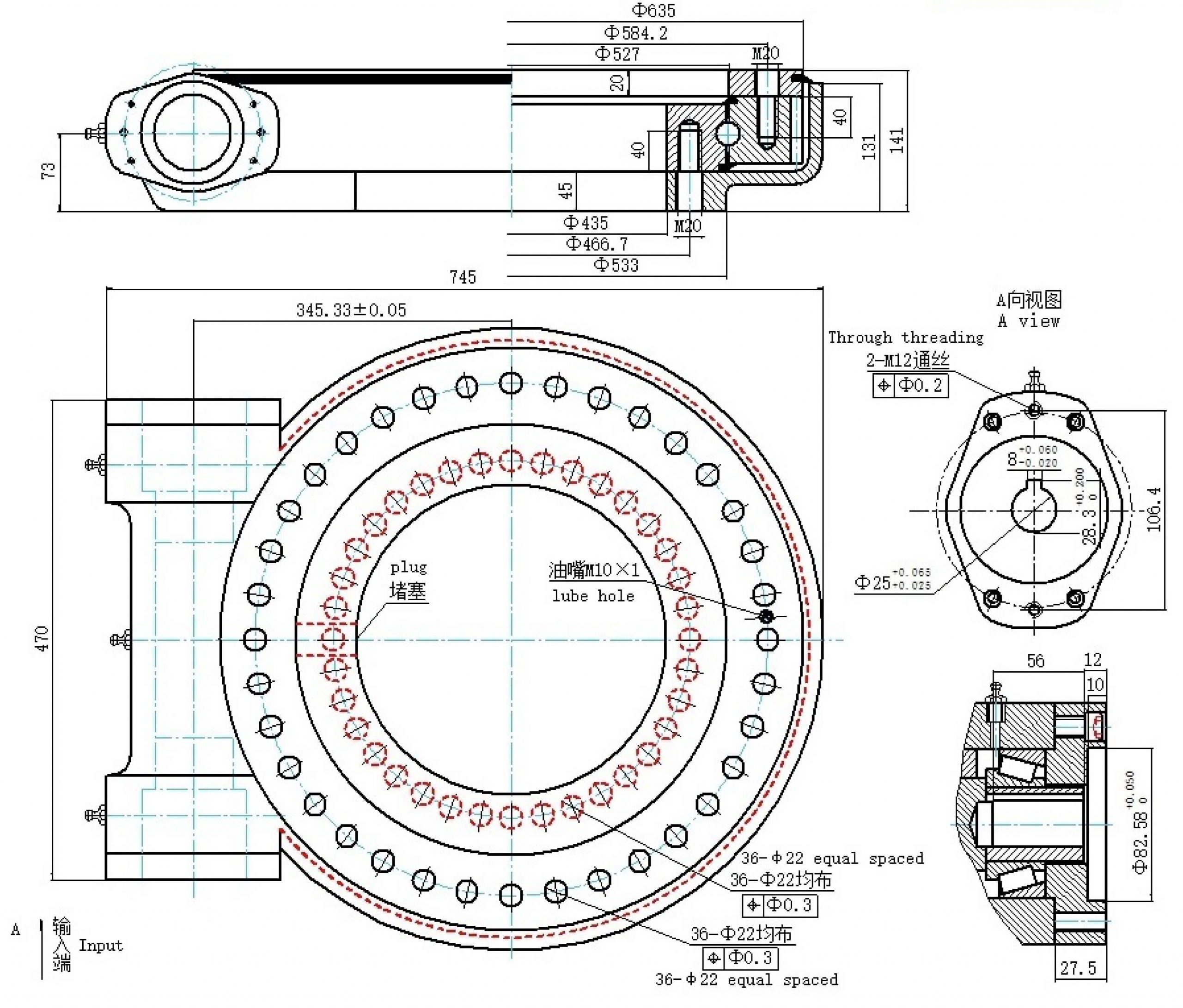
A slew drive solar tracker is a mechanism that optimizes solar panel orientation to maximize sunlight exposure. It consists of a slewing bearing, a drive mechanism (electric or hydraulic), and a control system with sensors. The tracker adjusts the angle of solar panels throughout the day, increasing energy output compared to fixed systems. There are single-axis and dual-axis trackers, with the latter providing more precise sun tracking. Slew drive solar trackers are used in utility-scale solar farms, commercial installations, and residential systems, offering improved efficiency and energy production, despite higher initial costs and maintenance needs.

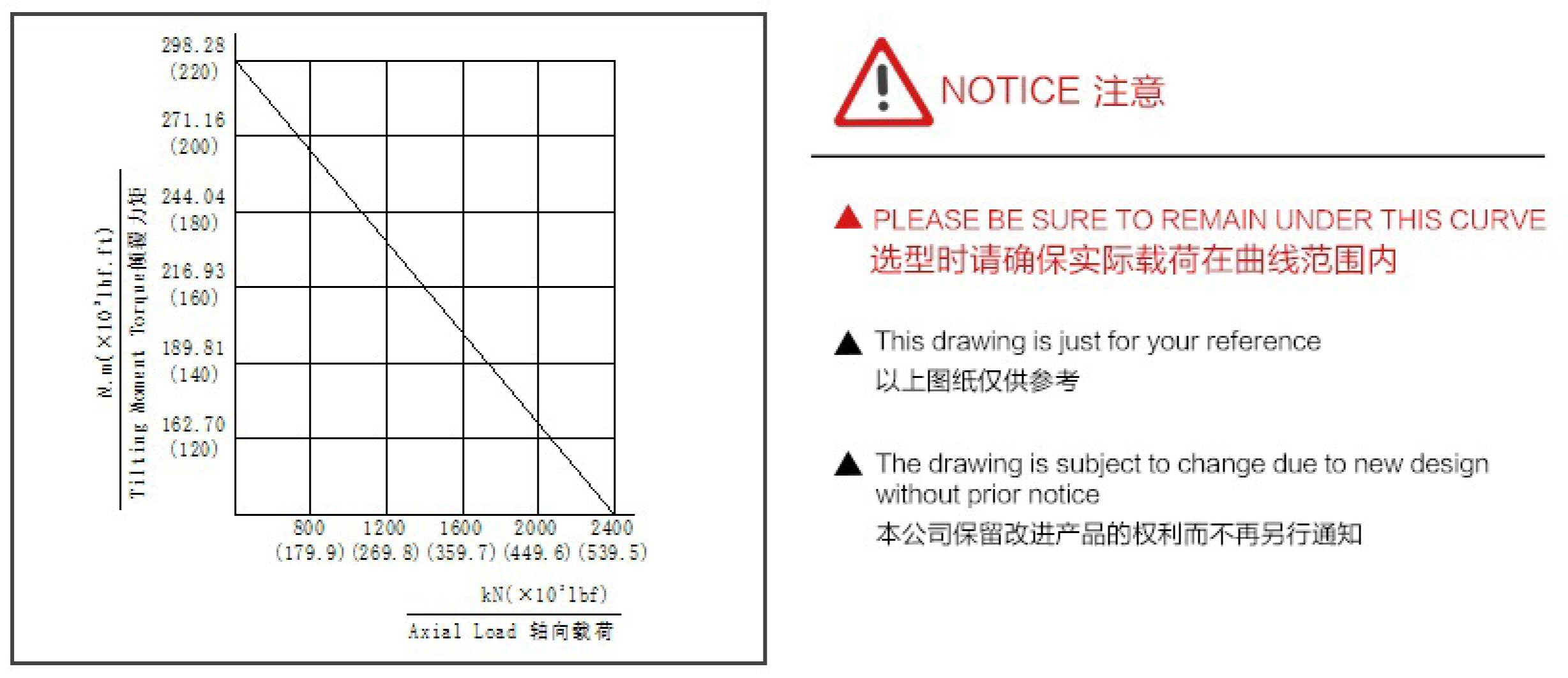
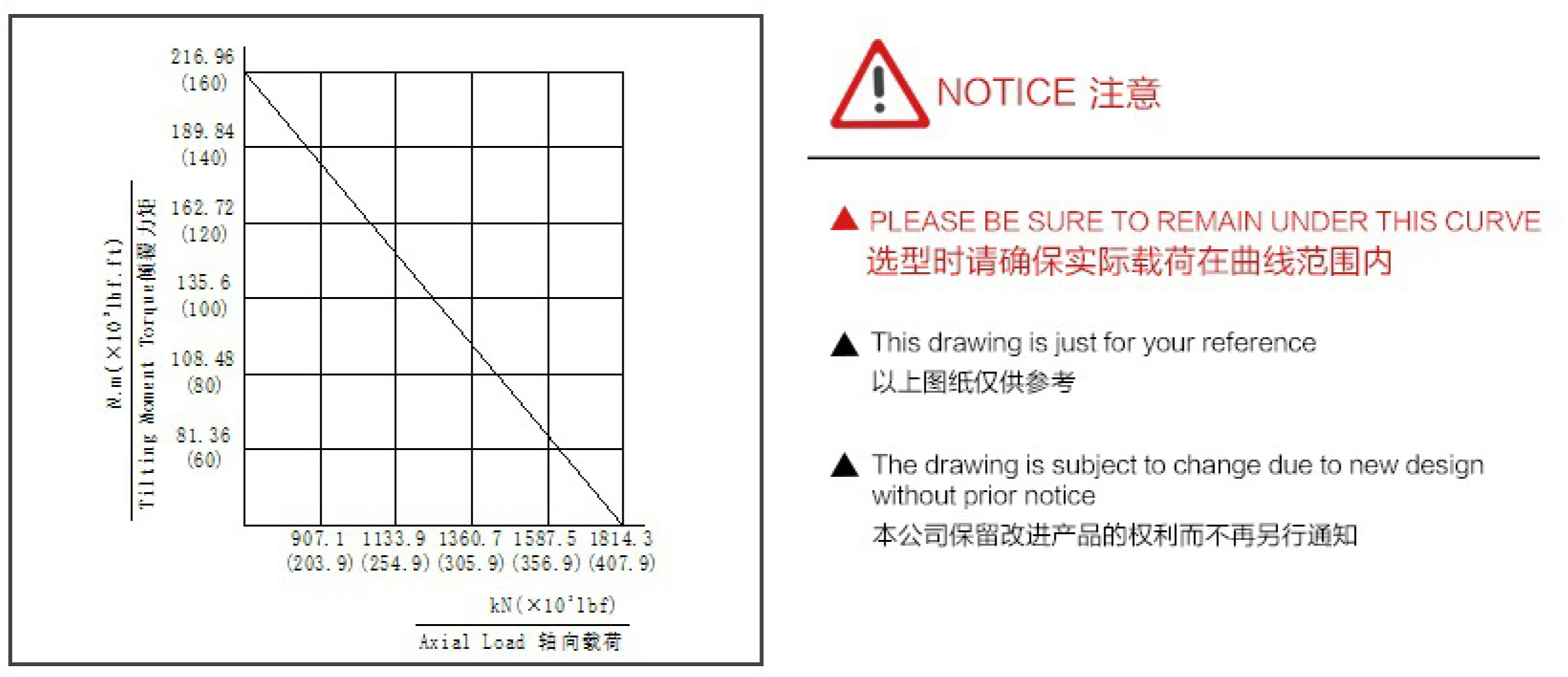
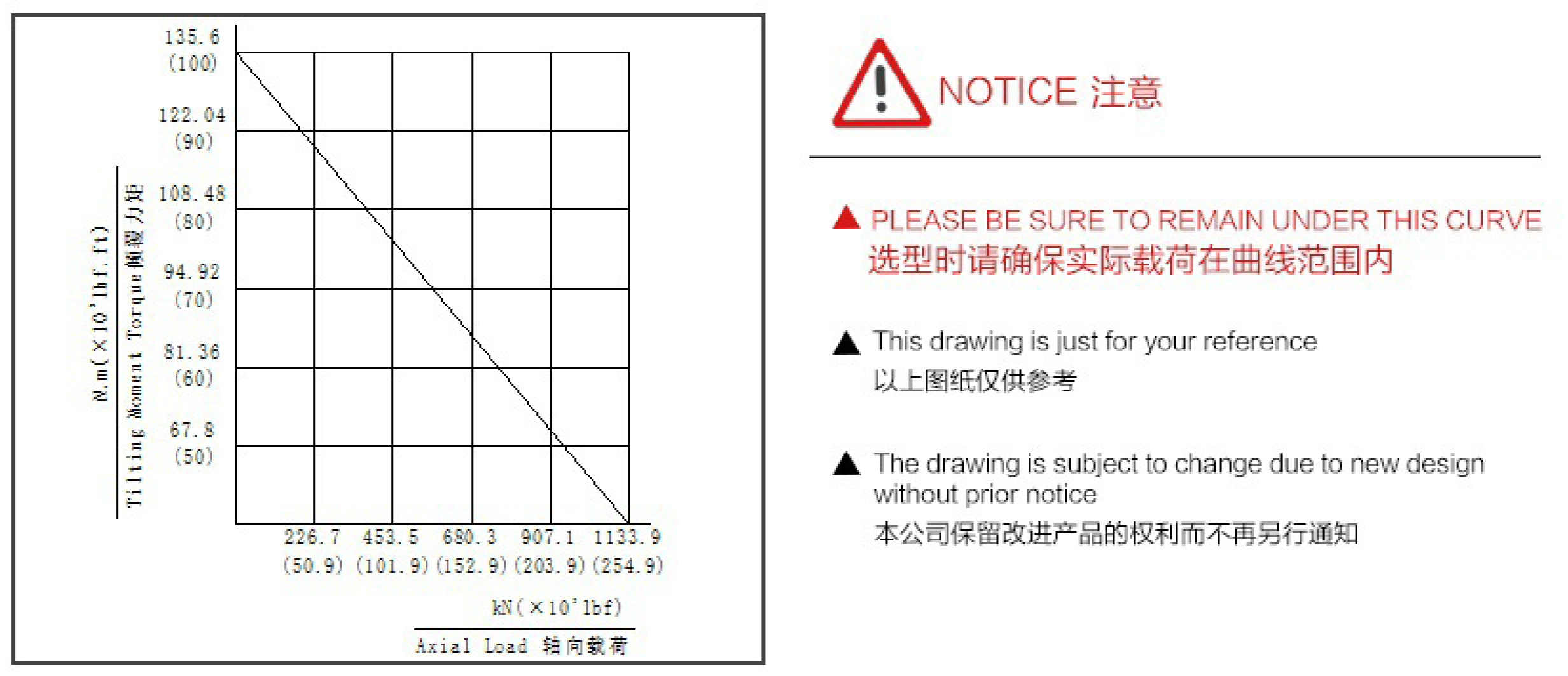
| Model | Output Torque | Tilting Moment Torque | Holding Torque | Gear Ratio | Tracking Precision | Weight |
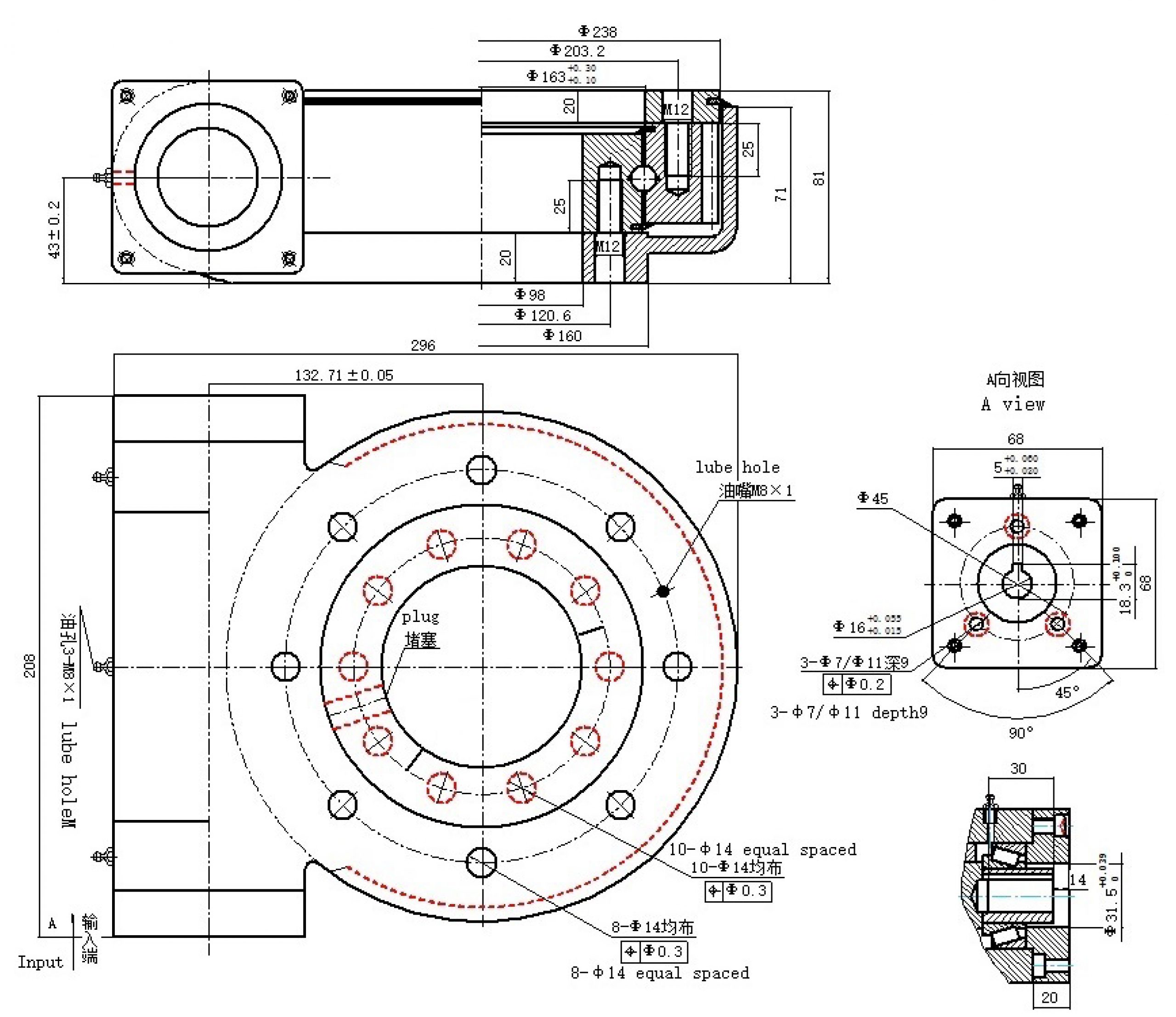
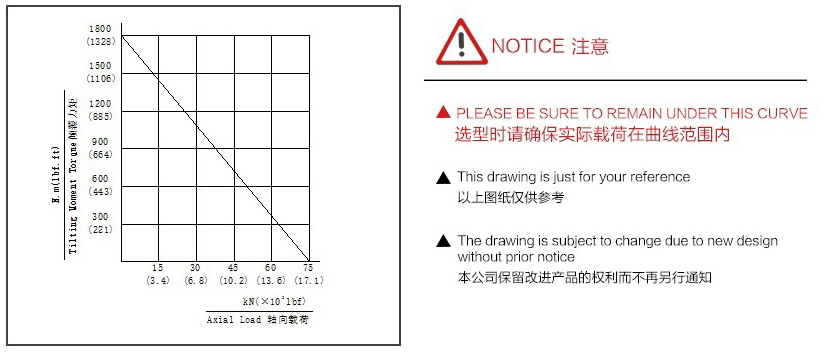
| SE5 | 600 N.m | 1800 N.m | 5000 N.m | 62:1 | 0.2° | 12kg |
| SE5 | 443 lbf.ft | 1328 lbf.ft | 3688 lbf.ft | 62:1 | 0.2° | 12kg |
A slew drive solar tracker is a system used in solar power applications to adjust the position of solar panels throughout the day to maximize their exposure to sunlight. By doing so, the efficiency and energy output of the solar panels are significantly increased. Here’s a more detailed explanation:
Components of a Slew Drive Solar Tracker
1、Slew Drive:
- Slewing Bearing: A large bearing that facilitates rotational movement.
- Drive Mechanism: This can be an electric motor, hydraulic motor, or worm gear mechanism that drives the rotation of the bearing.
- Housing: Encloses and protects the bearing and drive mechanism.
2、Solar Panels:
- The photovoltaic (PV) panels that convert sunlight into electricity.
3、Mounting Structure:
- Supports the solar panels and connects them to the slew drive.
4、Control System:
- Sensors: Track the position of the sun.
- Controller: Processes sensor data and adjusts the slew drive to optimize the angle of the solar panels.
Types of Solar Trackers
Single-Axis Trackers: Rotate around one axis, typically aligned north-south, to follow the sun’s path from east to west.
Dual-Axis Trackers: Rotate around two axes, allowing the solar panels to follow the sun’s elevation and azimuth angles, providing even more precise tracking.

Advantages of Slew Drive Solar Trackers
- Increased Energy Output: By continuously adjusting the angle of the panels to follow the sun, solar trackers can significantly increase the amount of energy generated compared to fixed systems.
- Improved Efficiency: Optimizes the angle of incidence, ensuring that the panels receive maximum sunlight throughout the day.
- Versatility: Can be used in various environments and applications, including residential, commercial, and utility-scale solar installations.
Applications
- Utility-Scale Solar Farms: Large installations where maximizing energy output is crucial.
- Commercial Solar Installations: Businesses looking to optimize their solar investment.
- Residential Solar Systems: Homeowners aiming to increase the efficiency of their solar panels.
Maintenance and Considerations
- Durability: Slew drives need to be robust to withstand environmental conditions such as wind, rain, and temperature variations.
- Maintenance: Regular maintenance is required to ensure optimal performance and longevity of the system.
- Cost: While the initial cost of installing a slew drive solar tracker is higher than a fixed system, the increased energy output can lead to a faster return on investment.