

Heavy-Duty Slewing Ring for Mining Machines – Trusted Slewing Bearing Manufacturers for Harsh Environments
July 29, 2025
Keeping the World in Motion: A Season of Gratitude from ZZ Slewing Bearing
December 23, 2025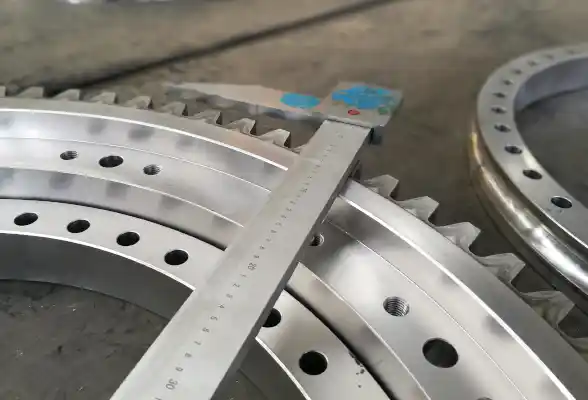
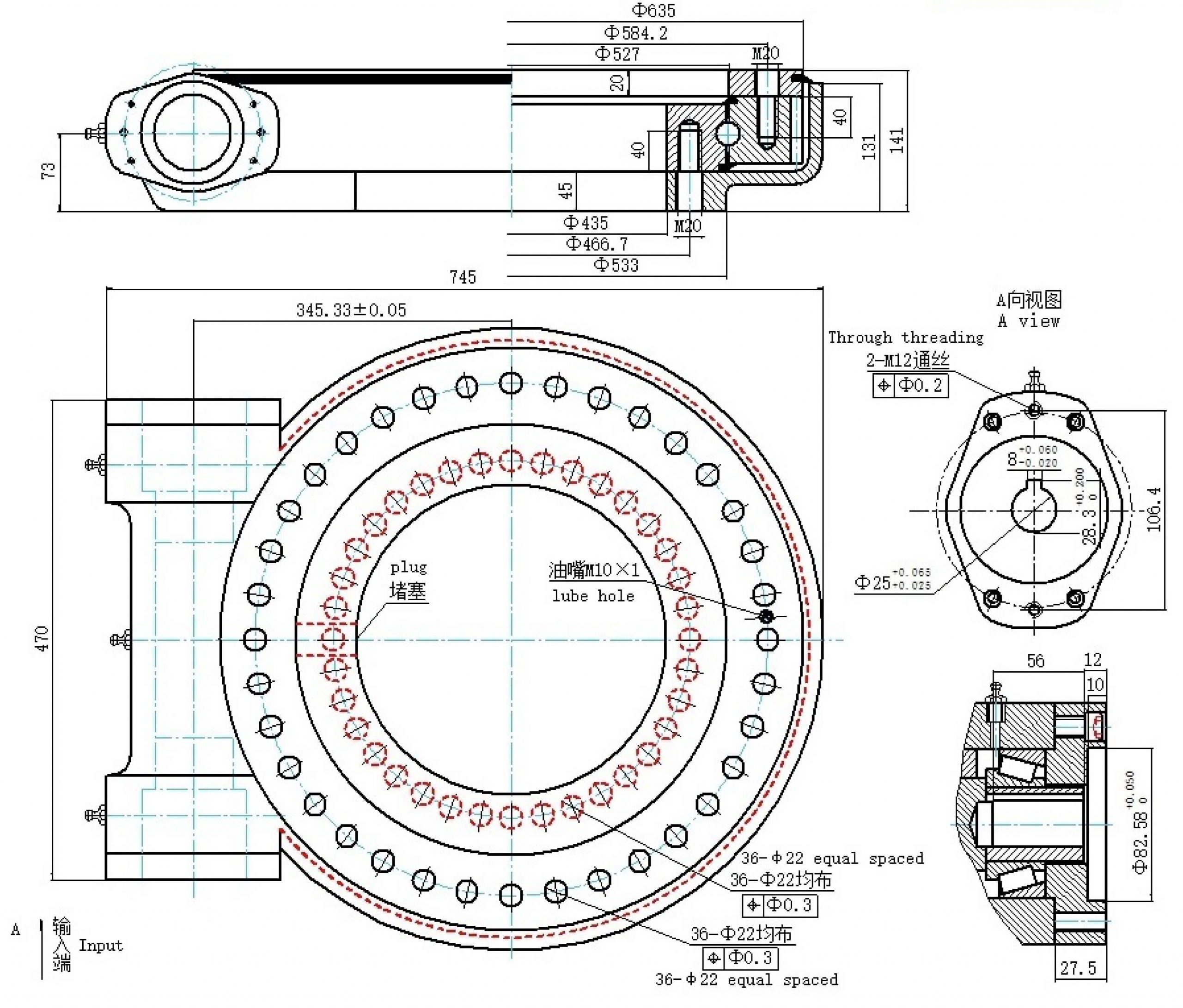
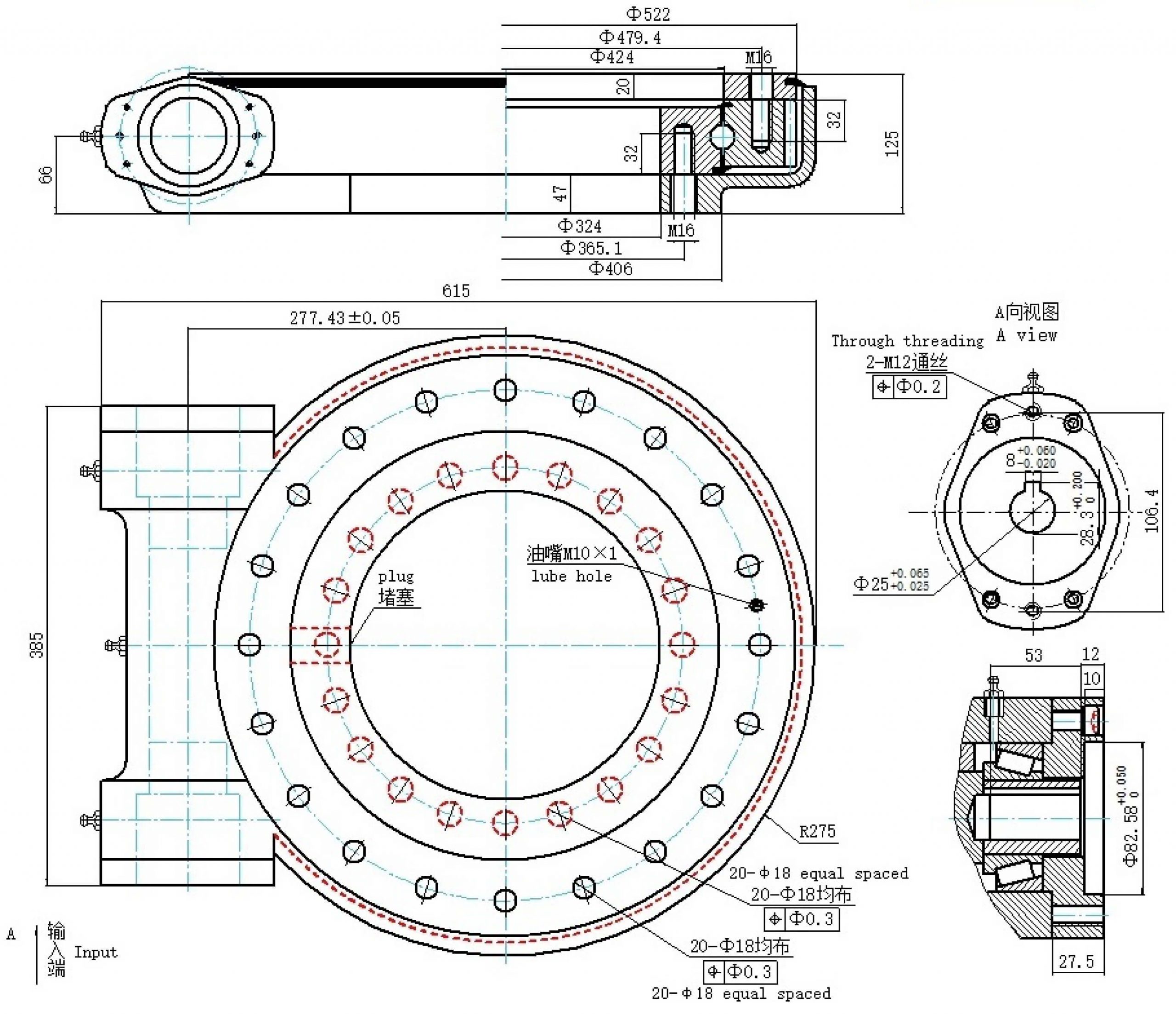
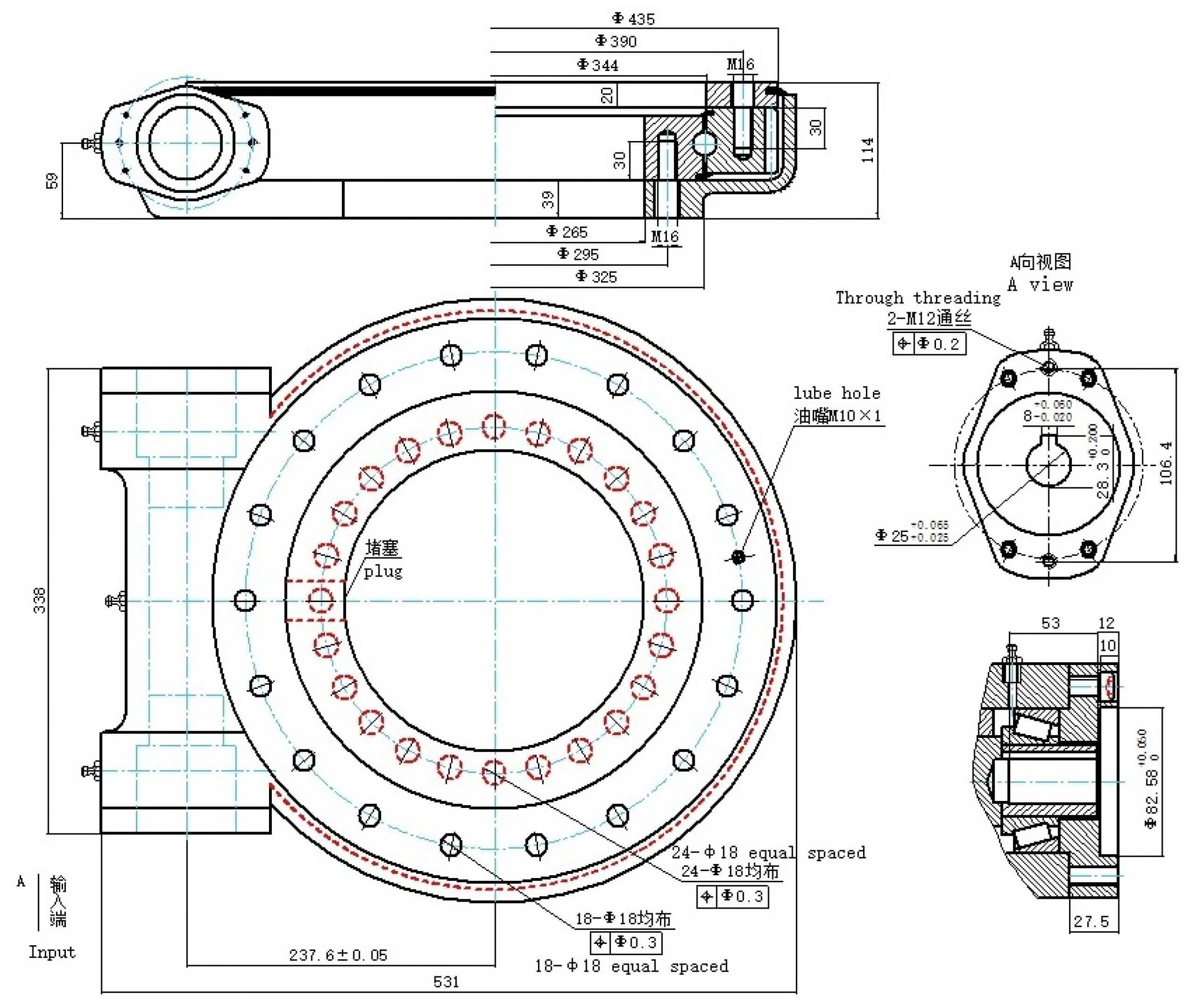
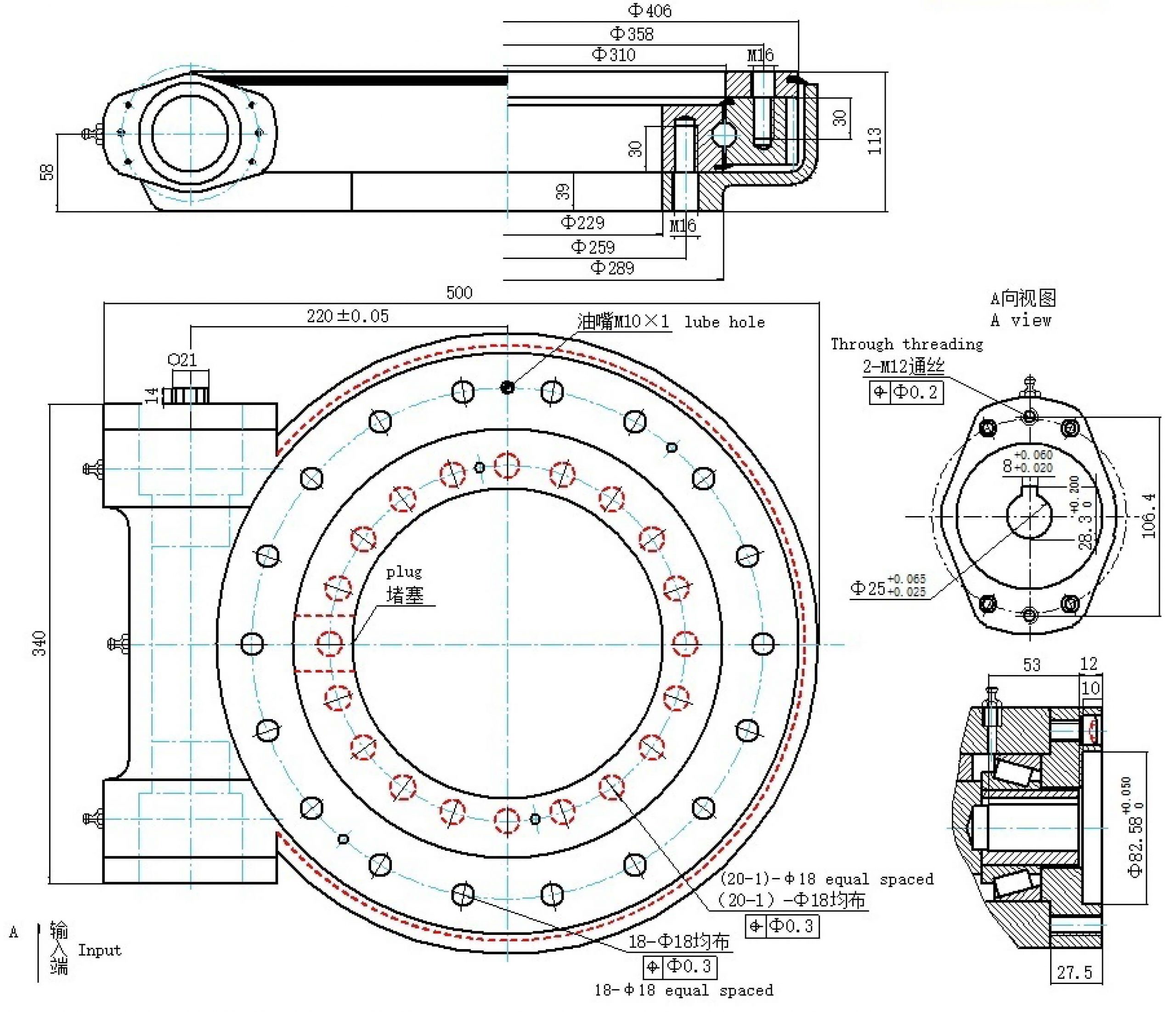
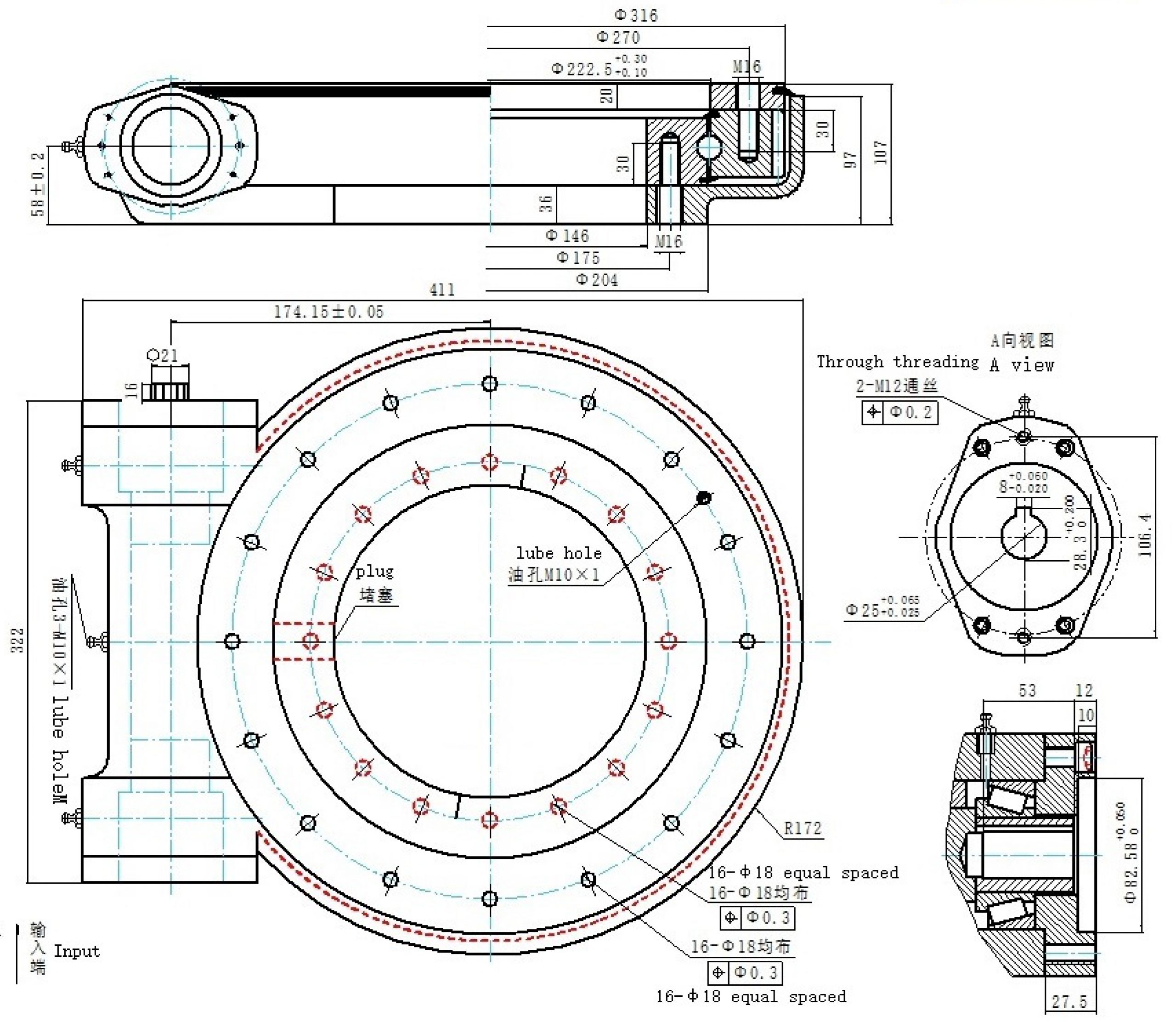
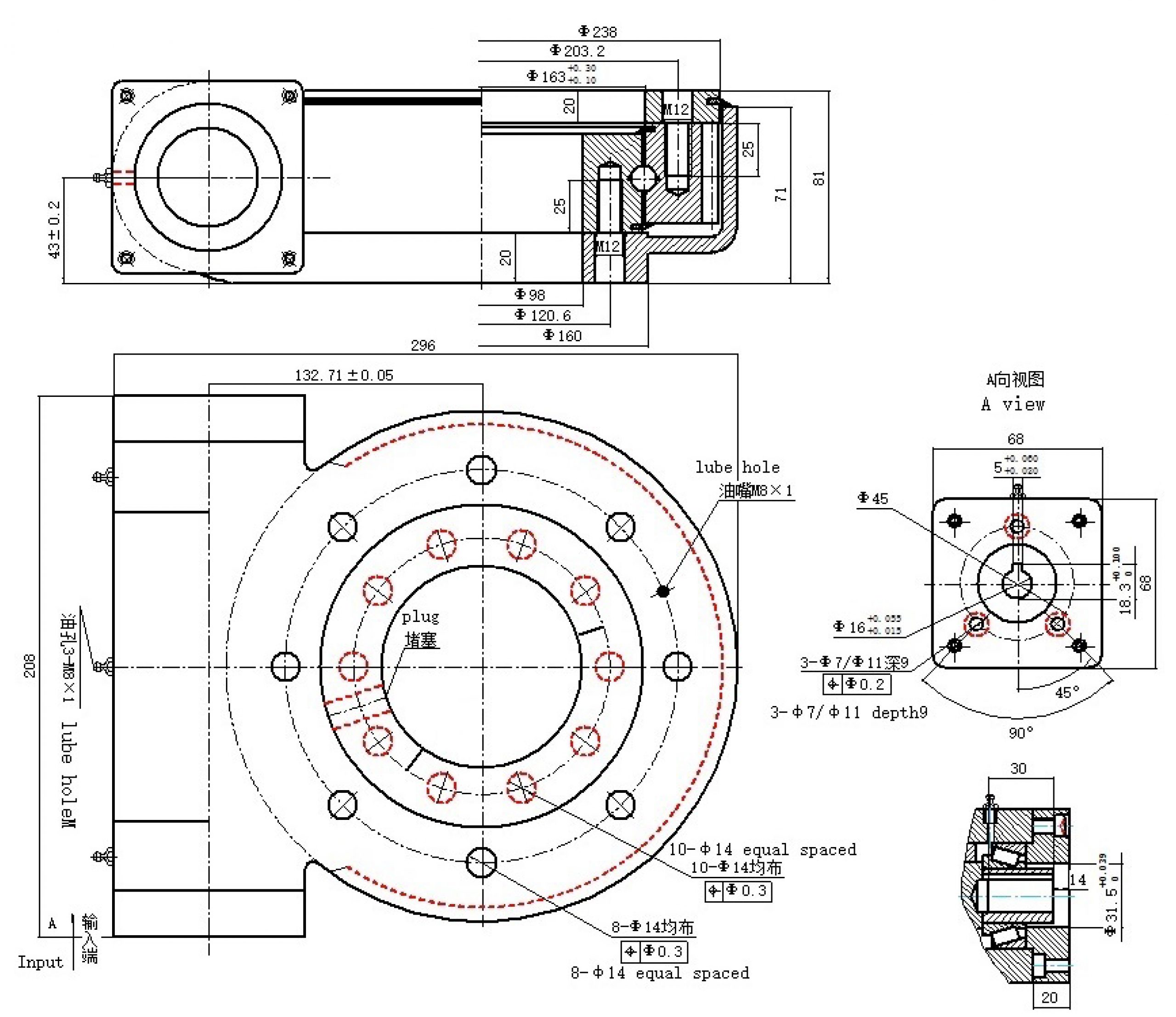
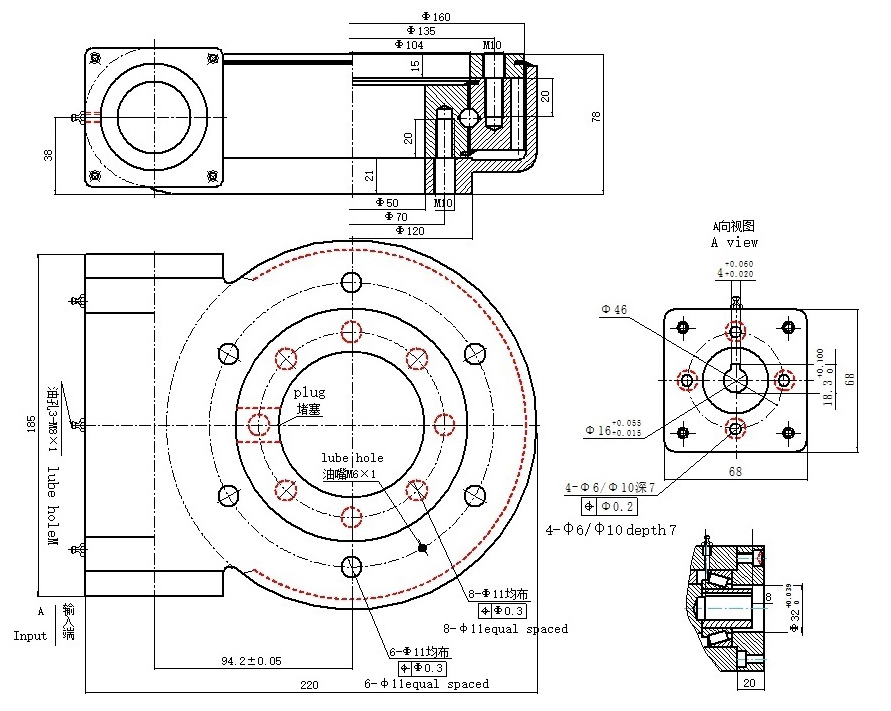
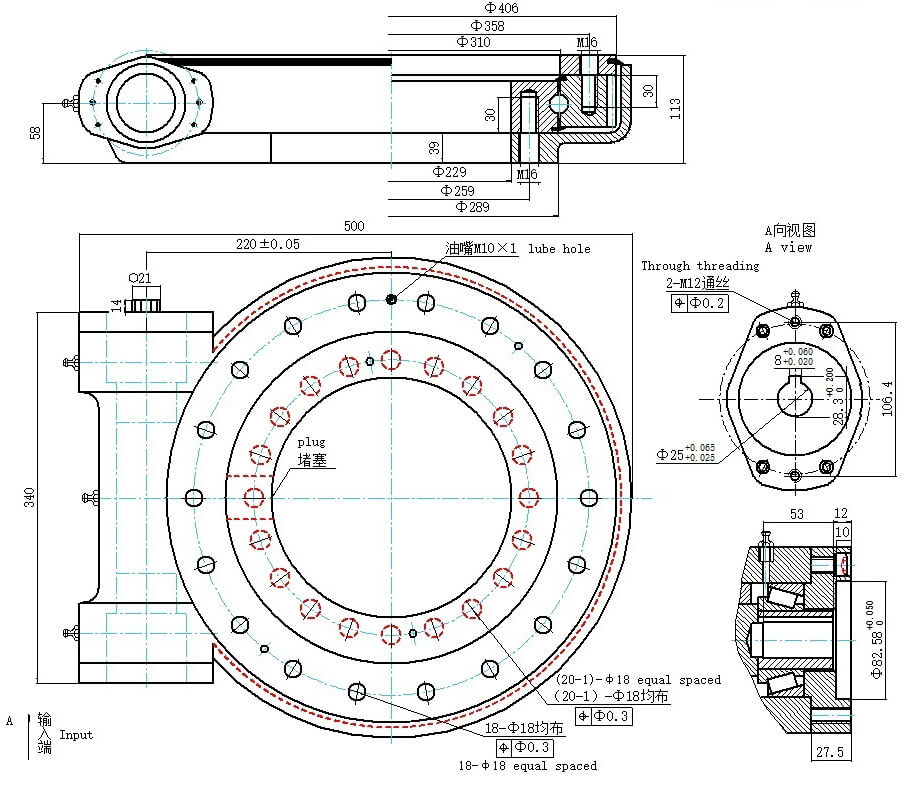
Choosing the right slewing bearing is crucial for heavy machinery performance and safety. A slewing bearing size chart is a key resource that helps engineers and procurement teams match the right product to specific load requirements, dimensions, and operating conditions. Whether for a slewing ring turntable, slew ring excavator, or thrust bearing, understanding the chart ensures your equipment operates efficiently and reliably.
Why the Slewing Bearing Size Chart Is Important
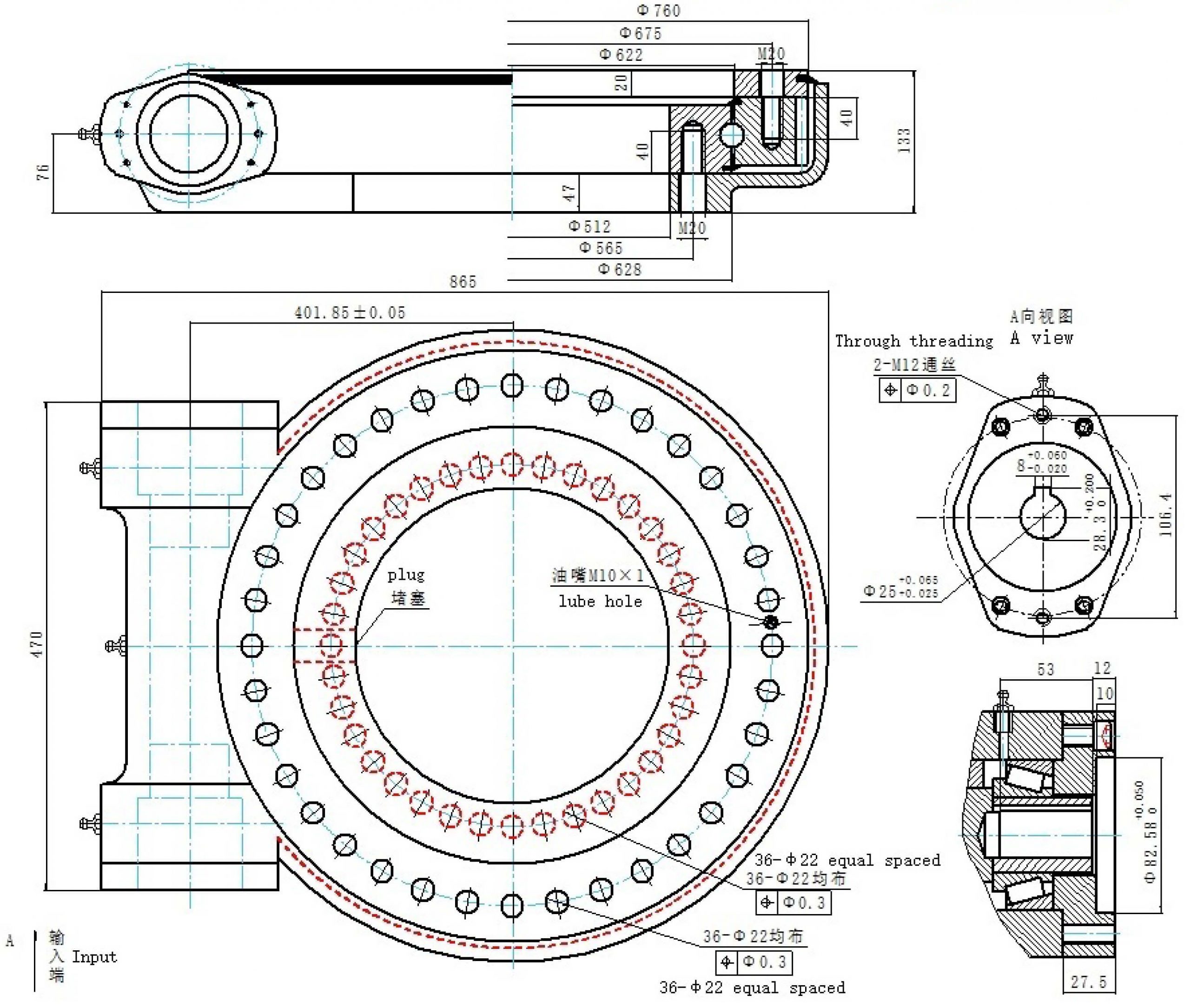
The size chart provides precise technical data that prevents overloading, misalignment, and premature wear. It typically includes:
- Inner and outer diameters – for correct mounting compatibility.
- Height – influencing the structural design of the machine.
- Bolt hole size and spacing – determining proper fit with the flange.
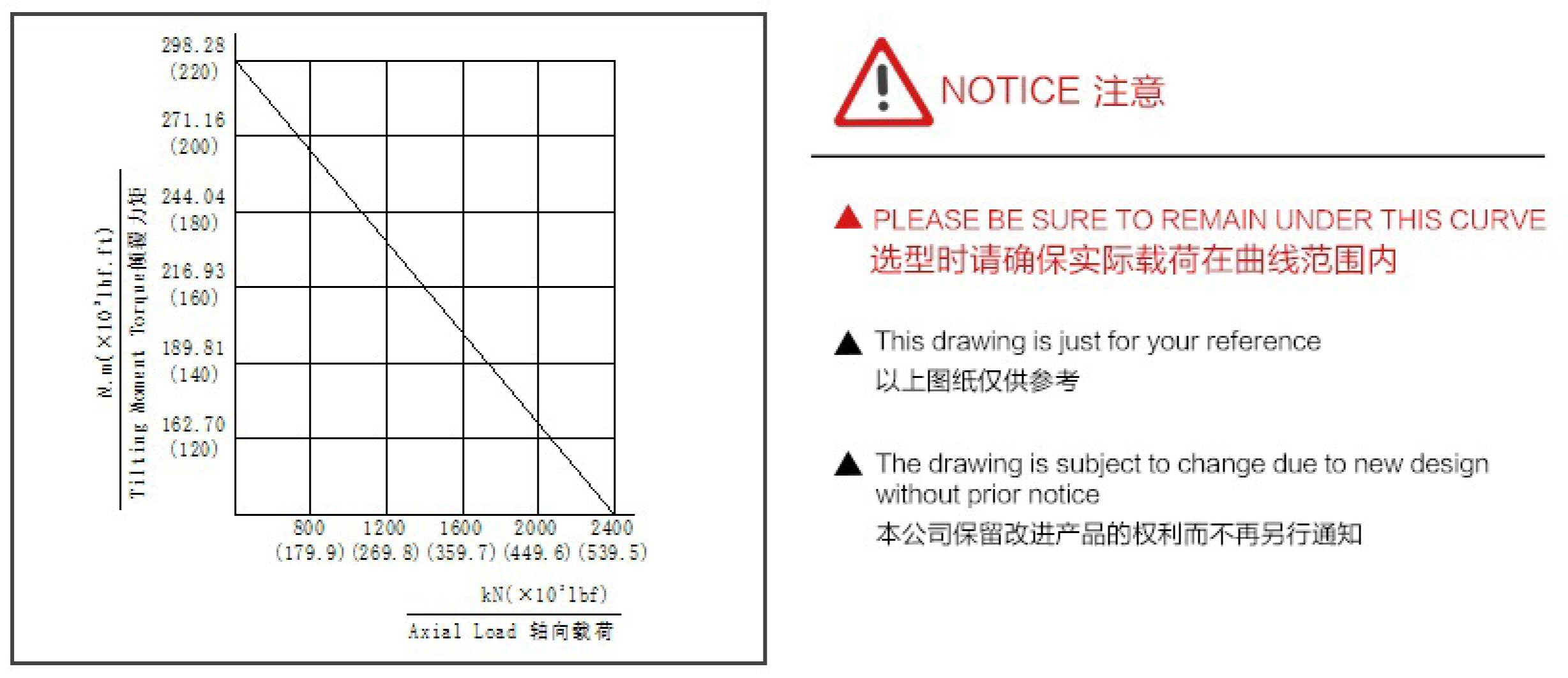
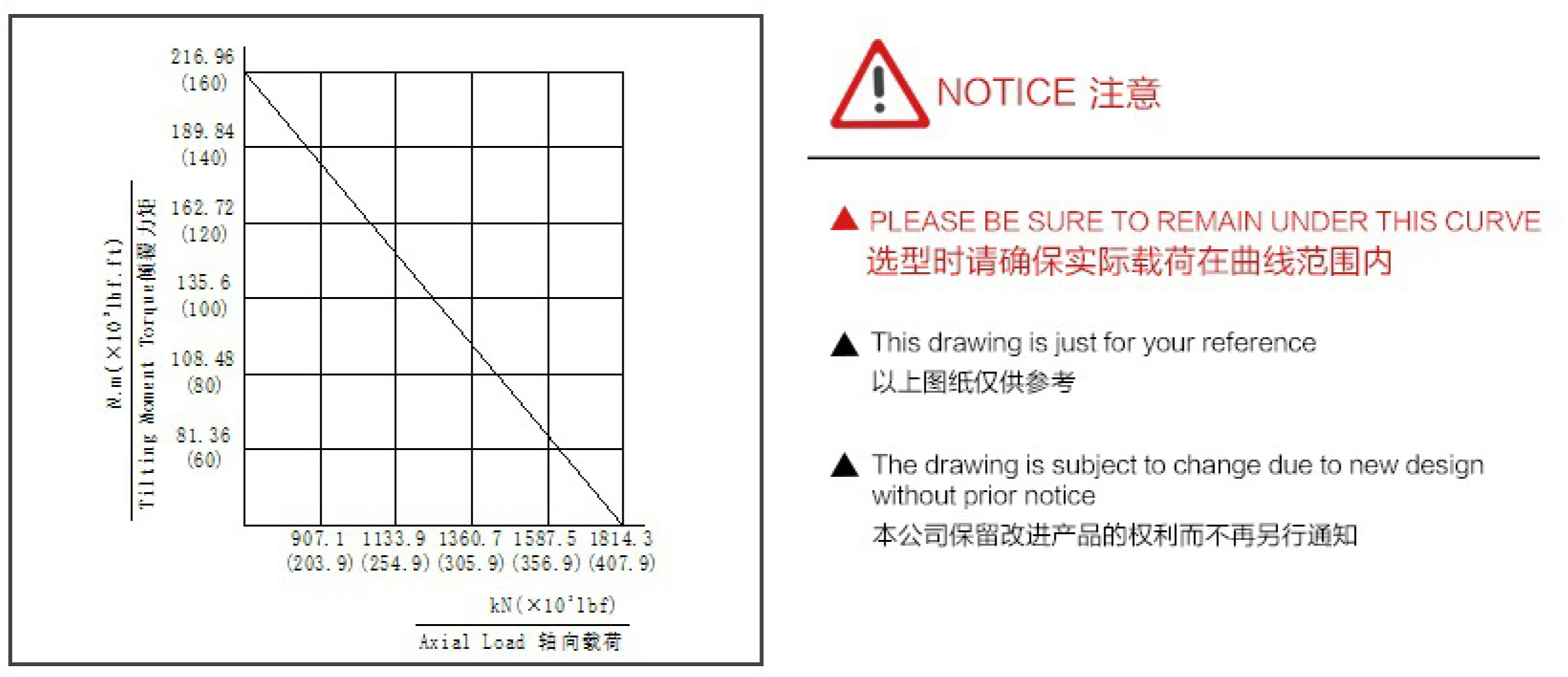
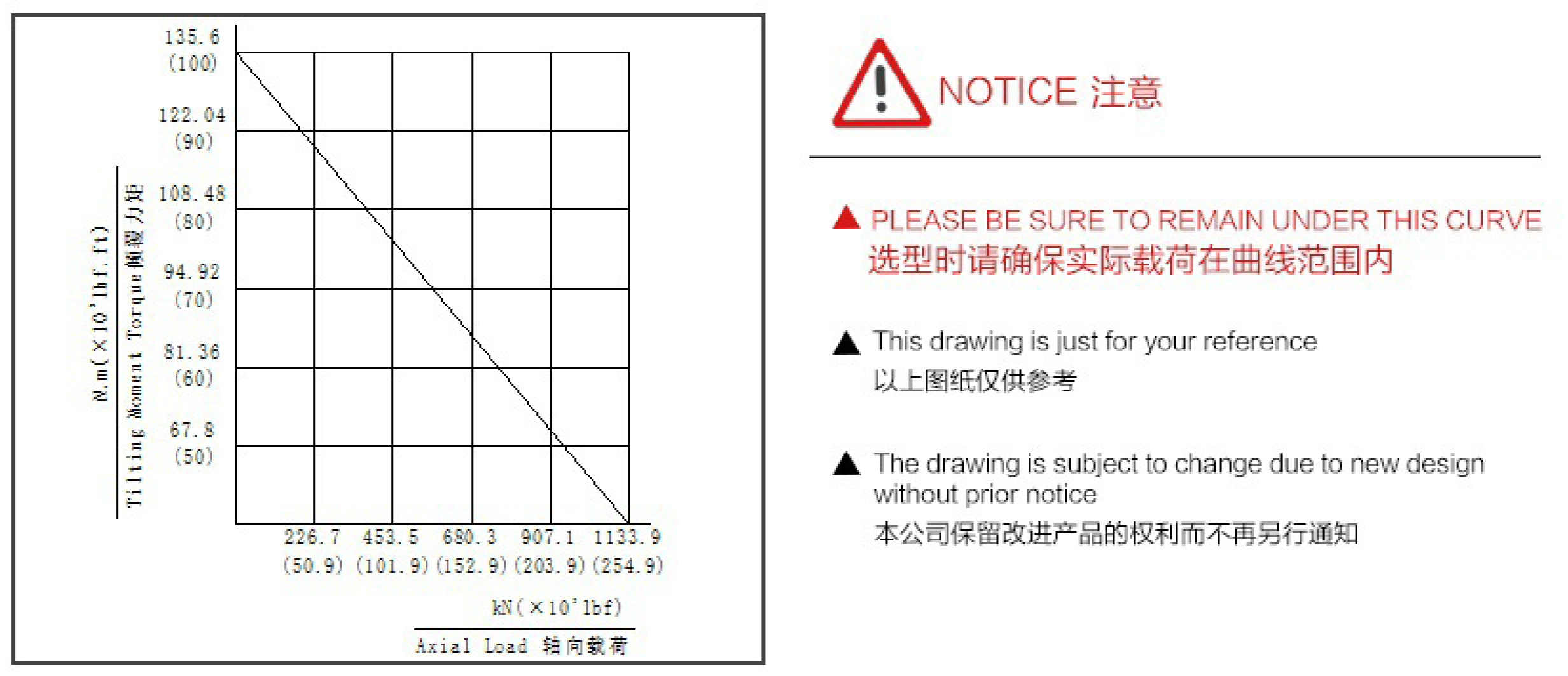
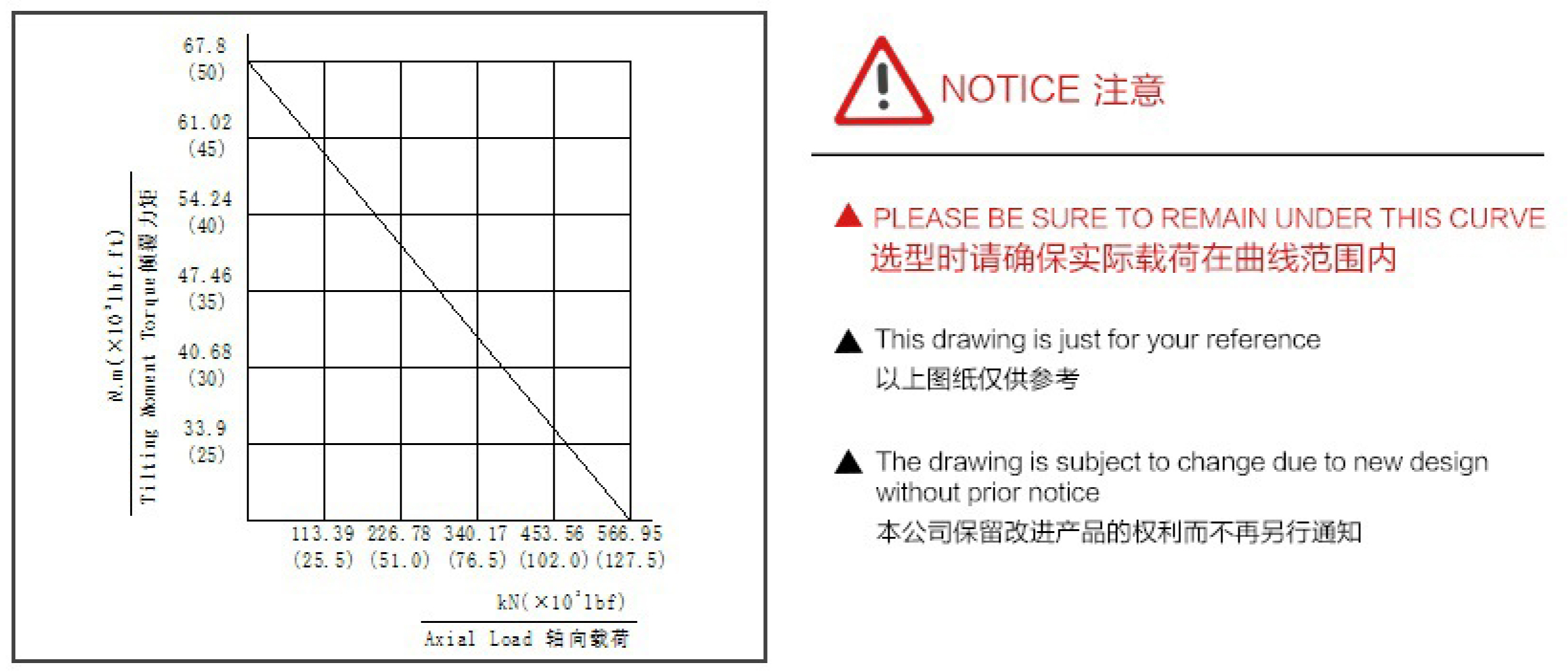
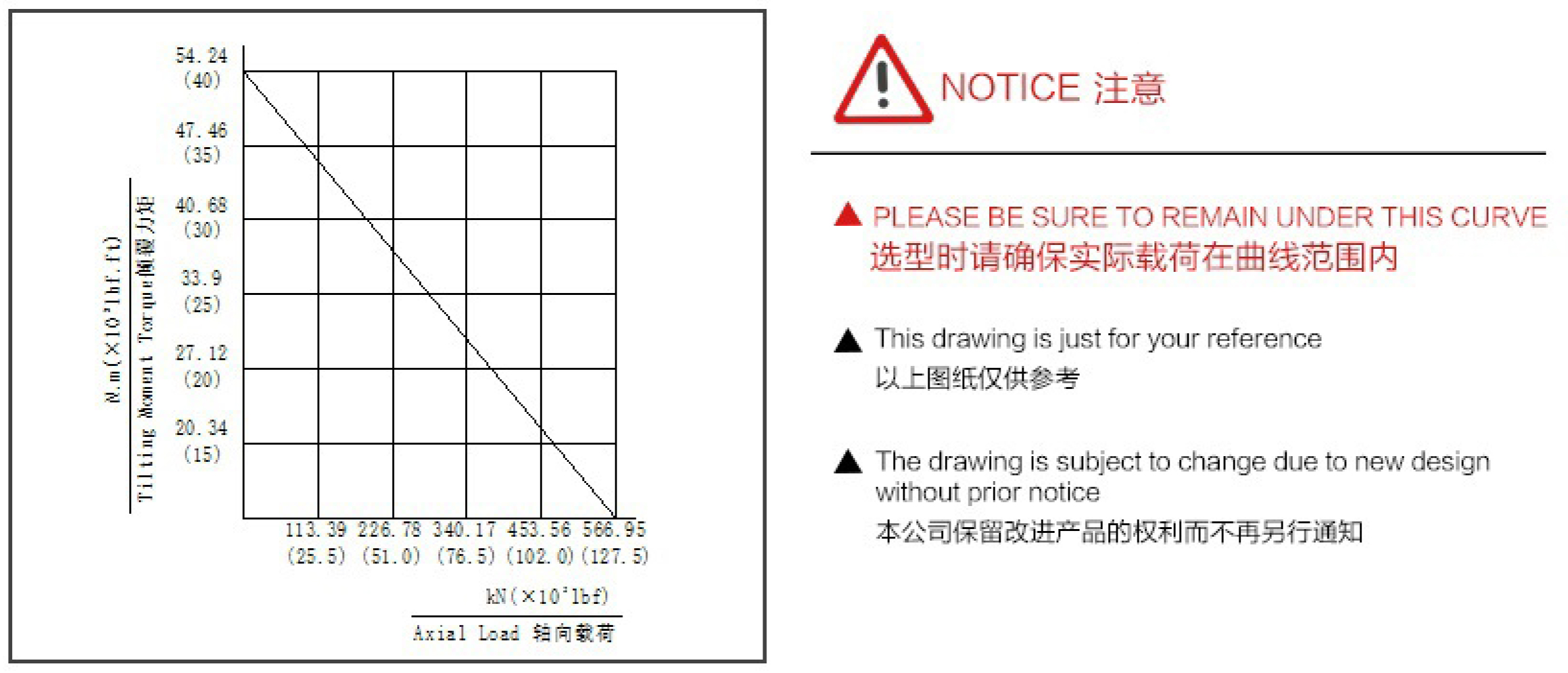
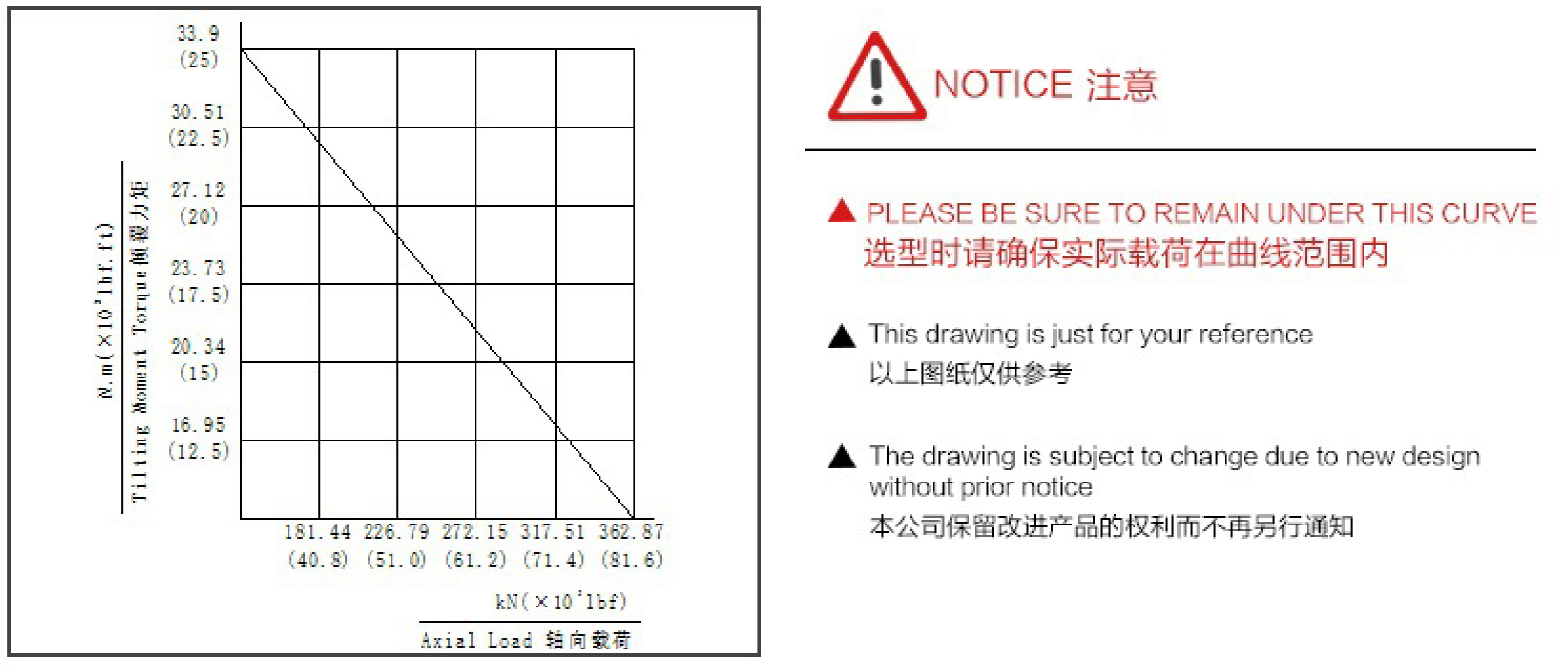
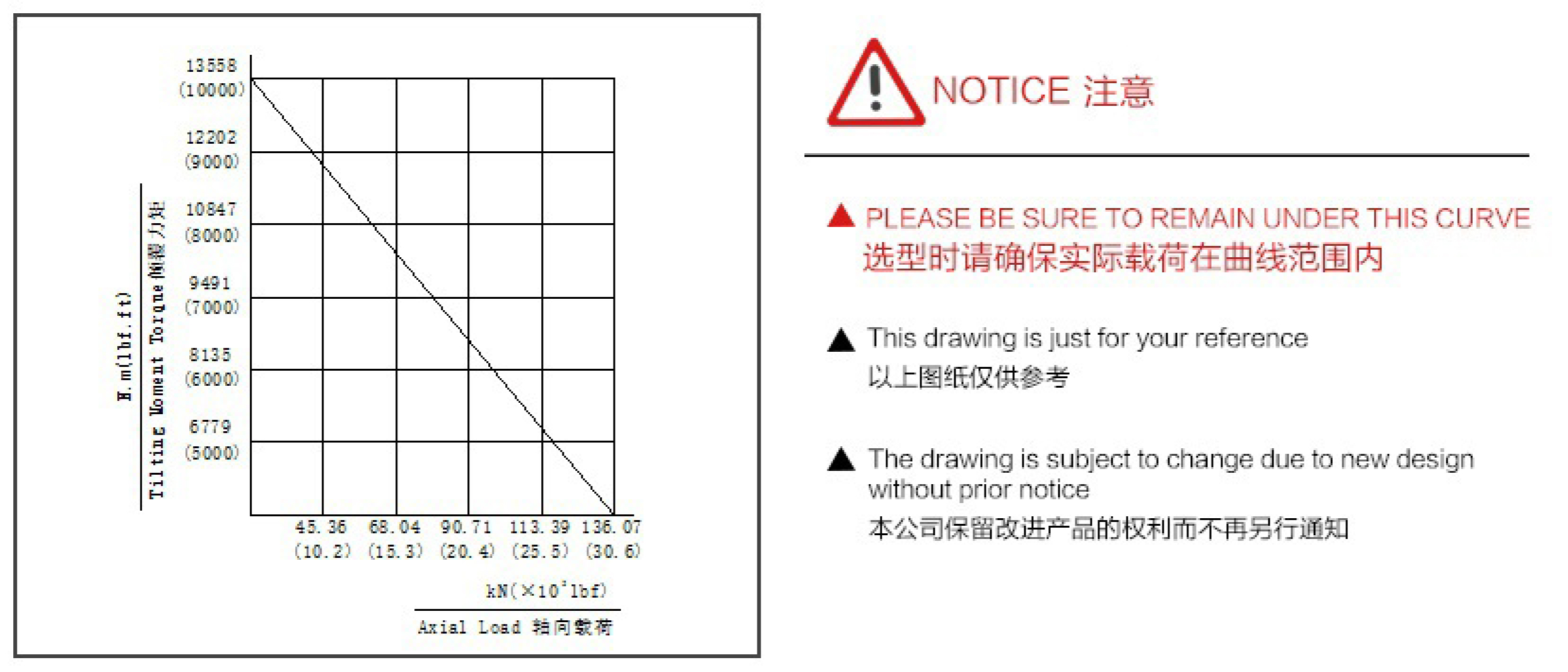
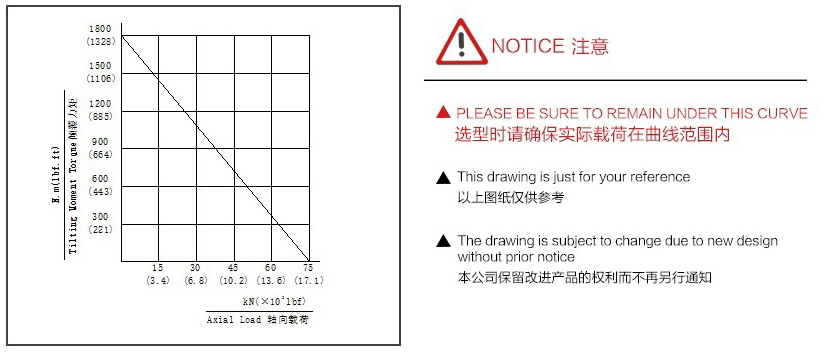
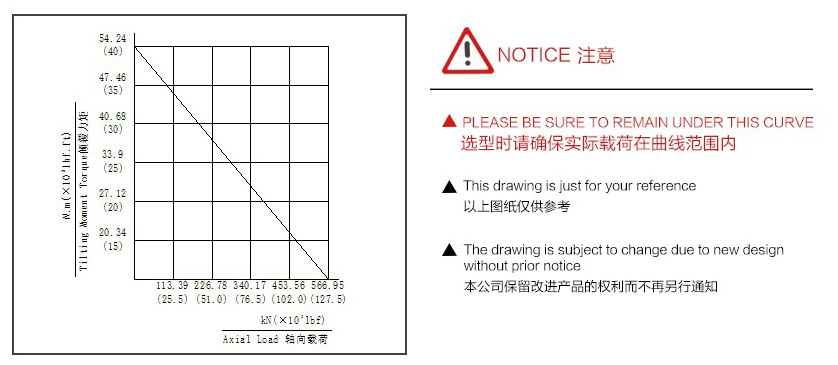
- Load ratings – showing both static and dynamic load capacities.
Accurate data from the chart ensures you select a bearing that can handle operational demands without compromising safety.
Common Types of Slewing Bearings
- Single-row ball slewing bearings – Lightweight, suitable for light to medium loads such as automation platforms and IGUS slewing rings.
- Double-row ball slewing bearings – Higher load capacity for material handling machinery.
- Cross-roller slewing bearings – Provide high precision, often used in robotics and radar systems.
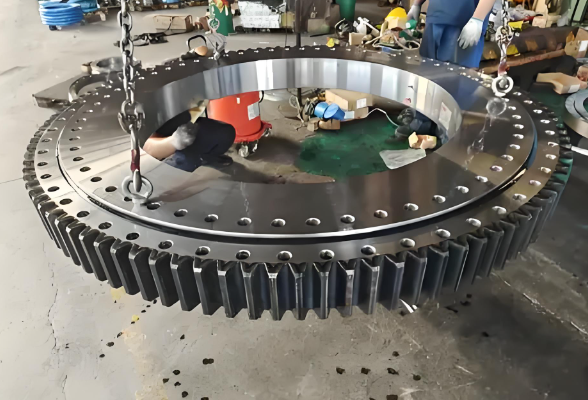
- Three-row roller slewing bearings – Designed for extremely heavy loads, ideal for offshore cranes and mining machines.
Popular Brands and Their Size Charts
Different manufacturers, such as Rothe Erde slewing bearings, ISB slewing bearings, and ZZ slewing bearings, publish their own size charts. While exact measurements can vary, the fundamental parameters remain consistent, allowing engineers to cross-reference products from multiple suppliers.
Understanding Load Ratings
Load ratings are among the most critical figures in a slewing bearing size chart:
- Static load capacity – Resistance to heavy stationary loads.
- Dynamic load capacity – Endurance during continuous movement or rotation.
For instance, a slew ring excavator requires high dynamic capacity to withstand digging forces, while static capacity ensures stability when lifting heavy loads.
Installation Guidelines
Even the perfect size won’t perform well if installation is poor. Follow these tips:
- Ensure the mounting surface is flat, clean, and free from burrs.
- Apply the correct bolt torque as specified in the manufacturer’s chart.
- Use the proper lubrication for the working environment.
Maintenance for Long Service Life
Routine inspections are essential. Check for unusual noise, vibration, and wear. Apply grease at recommended intervals, which may be shorter in high-load applications, to prevent metal-to-metal contact.
Conclusion
A slewing bearing size chart is not just technical data—it’s a decision-making tool that improves machinery performance, reduces downtime, and increases safety. Whether you are working with a slewing ring turntable, thrust bearing, or Rothe Erde slewing bearing, understanding and applying the information correctly ensures you choose the right product for your needs.
With precise selection, proper installation, and regular maintenance, slewing bearings can deliver long-lasting, reliable service in demanding industries.