

Showing all 4 resultsSorted by latest
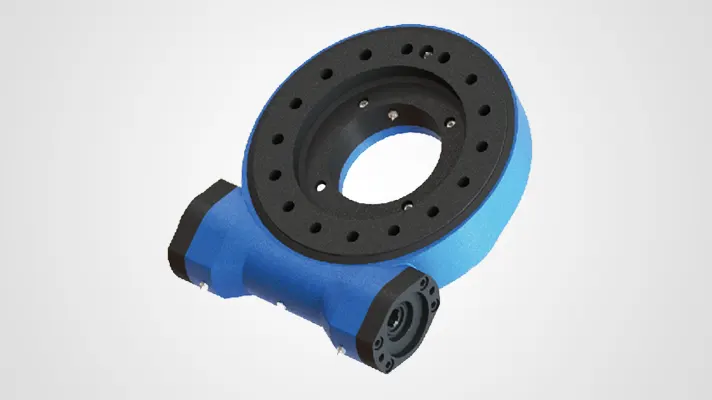
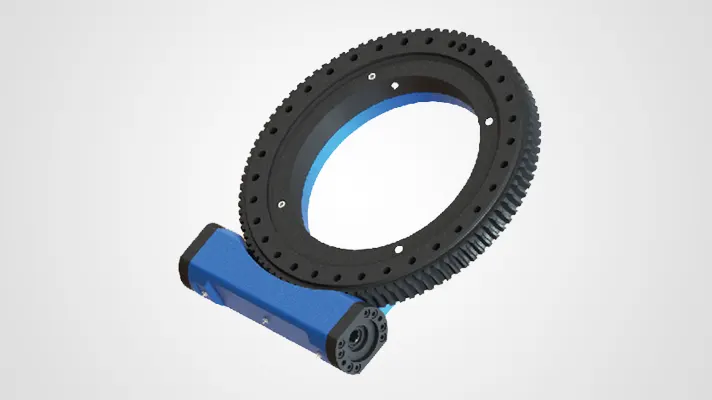
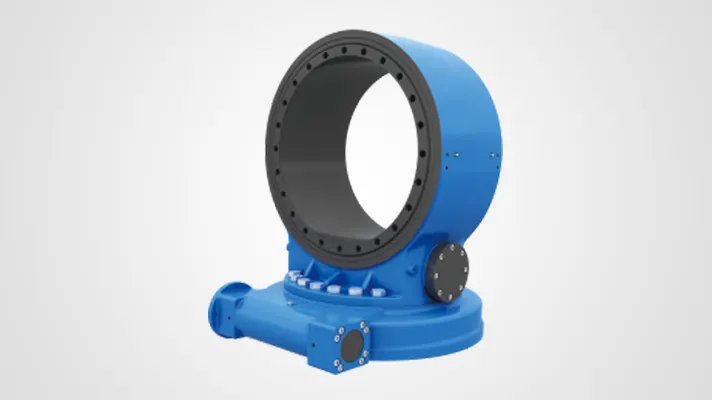
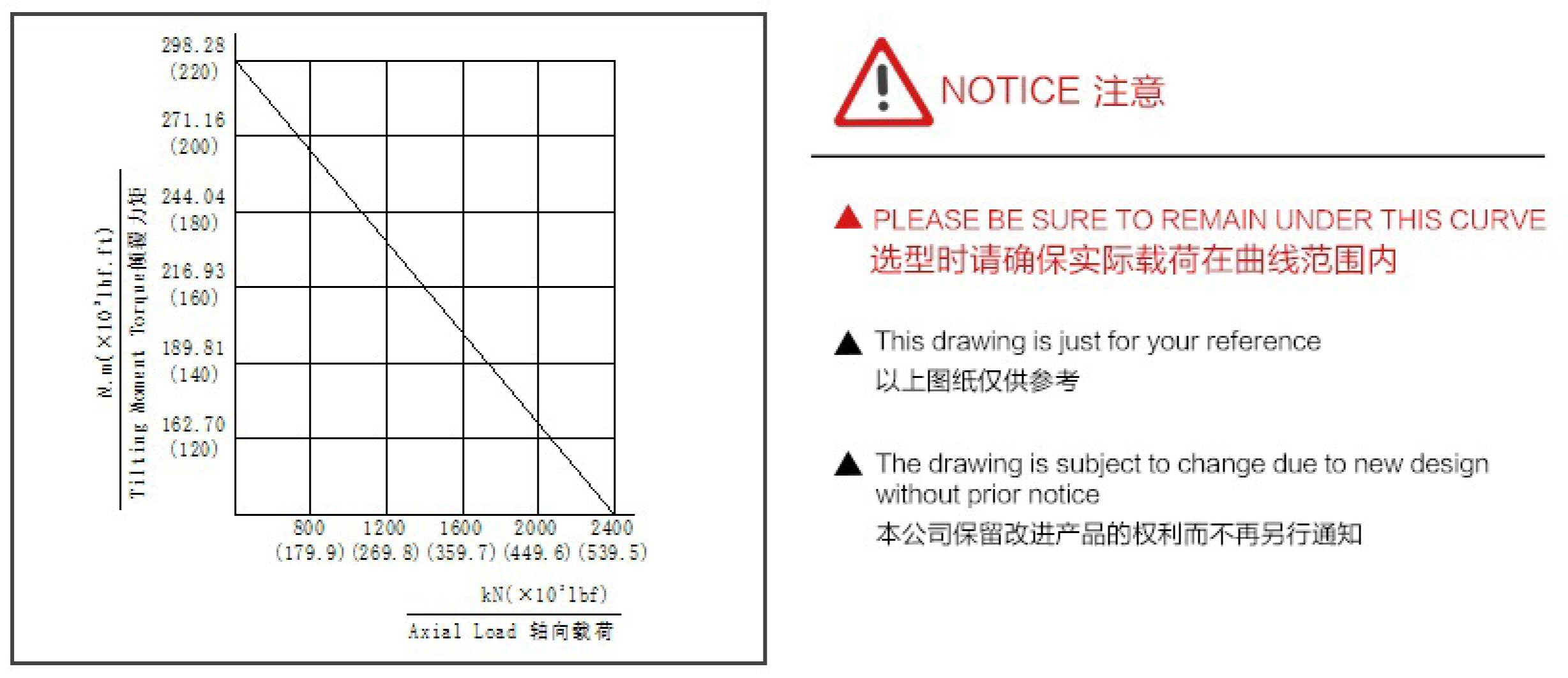
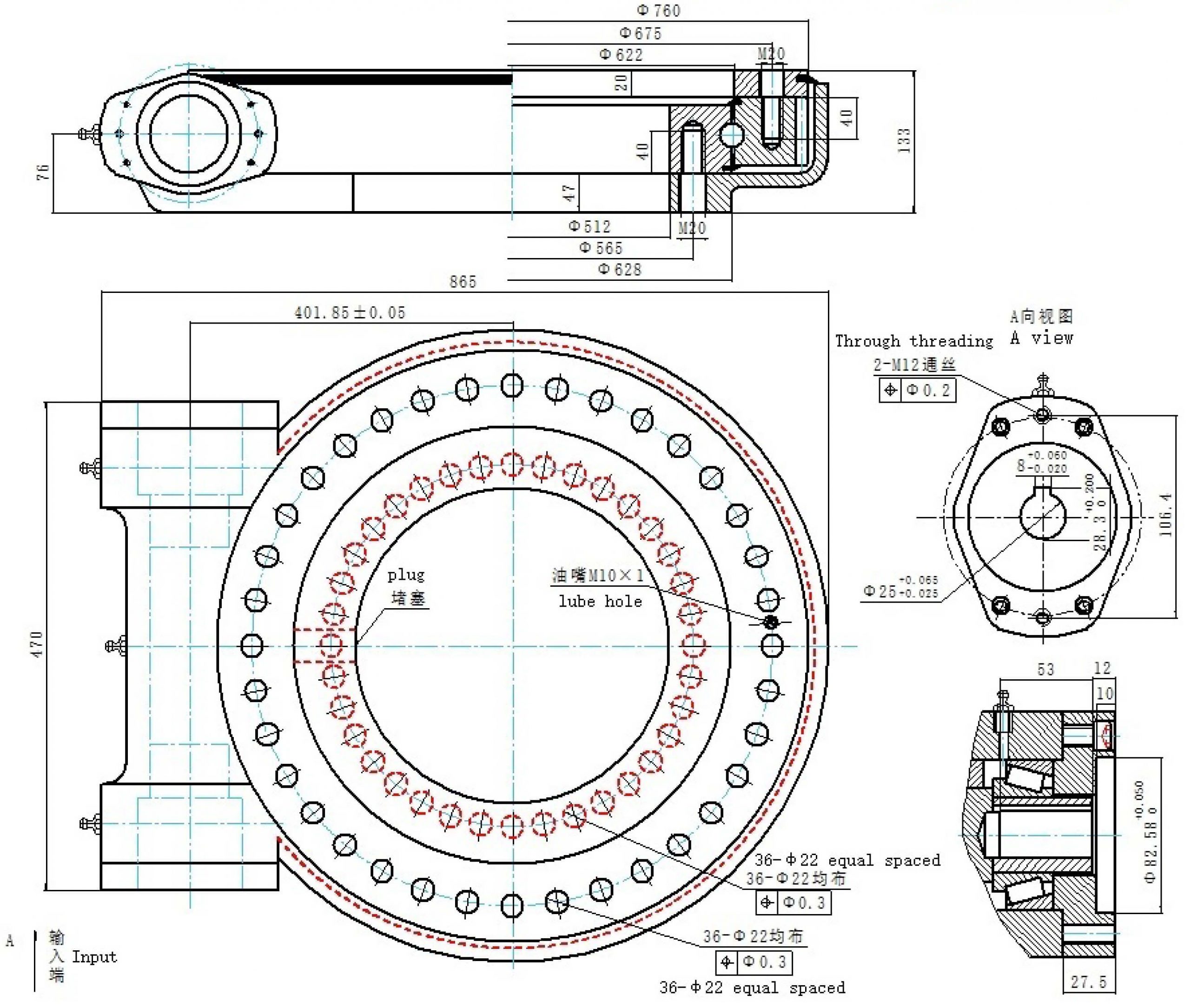
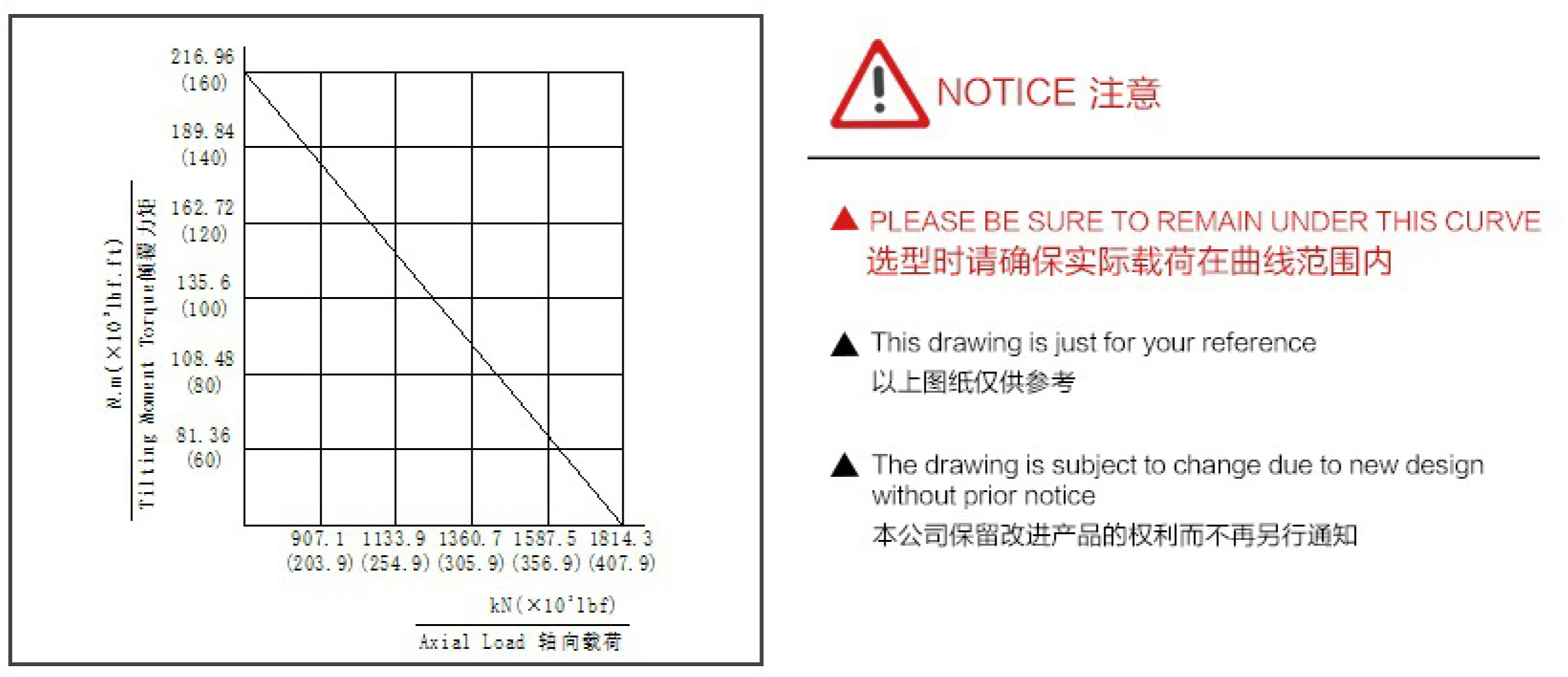
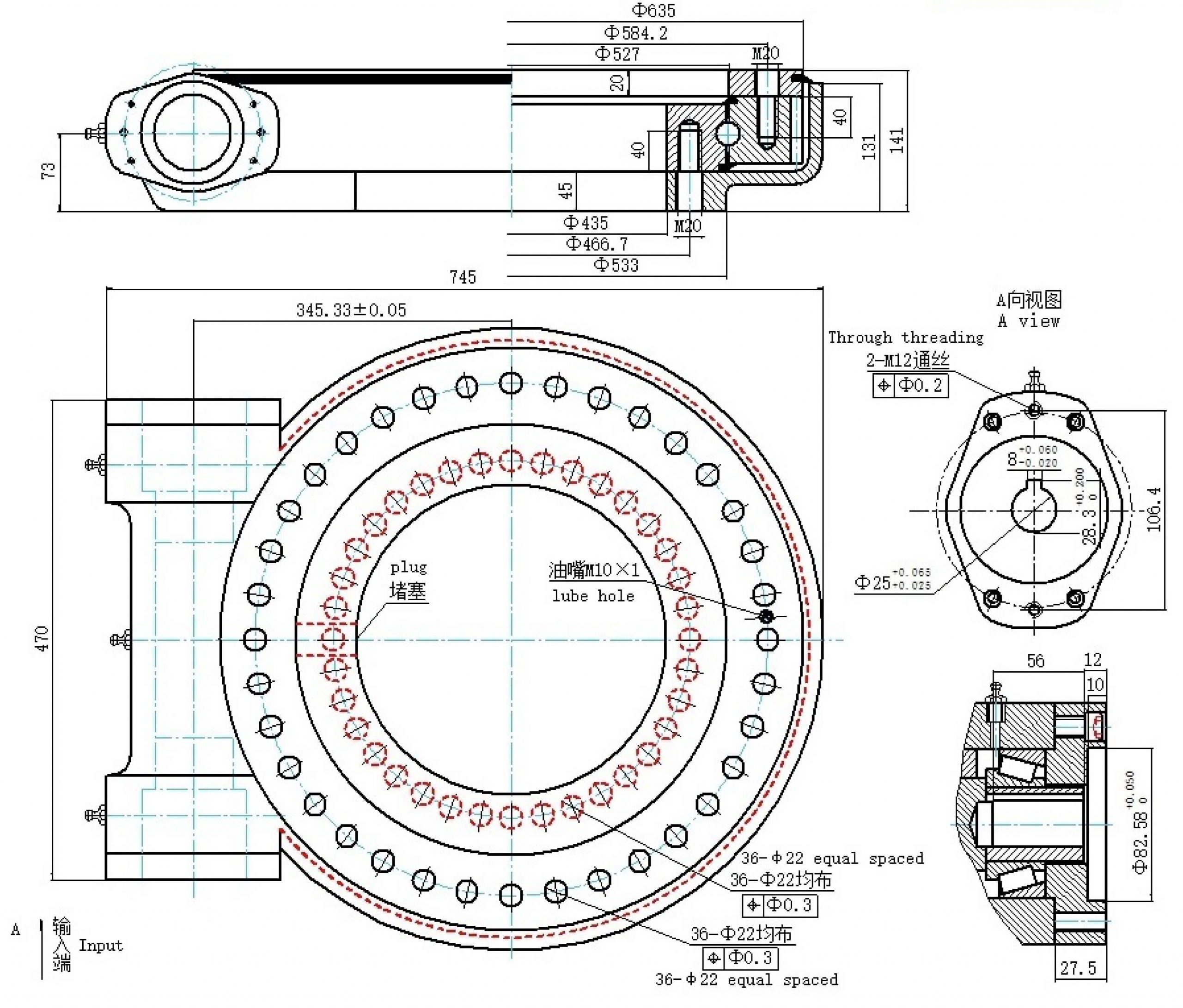
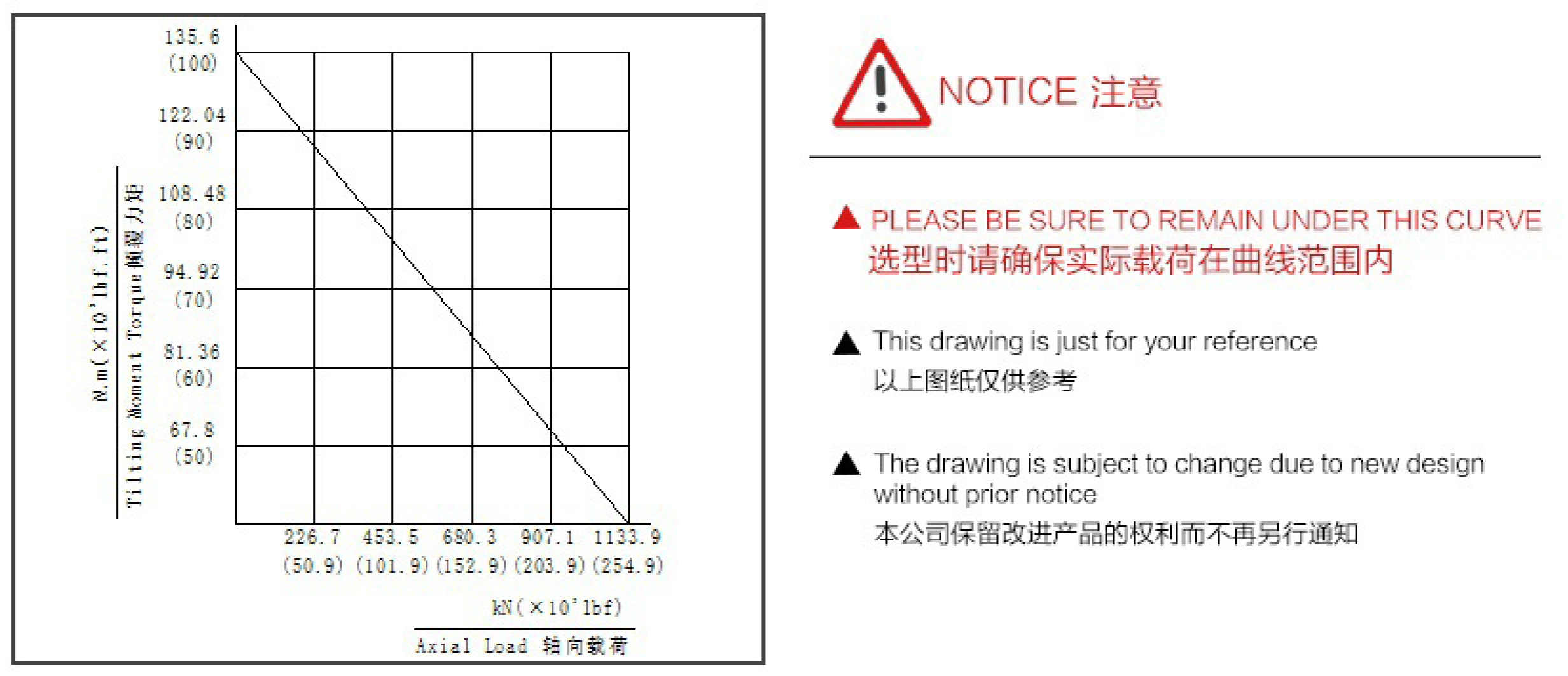
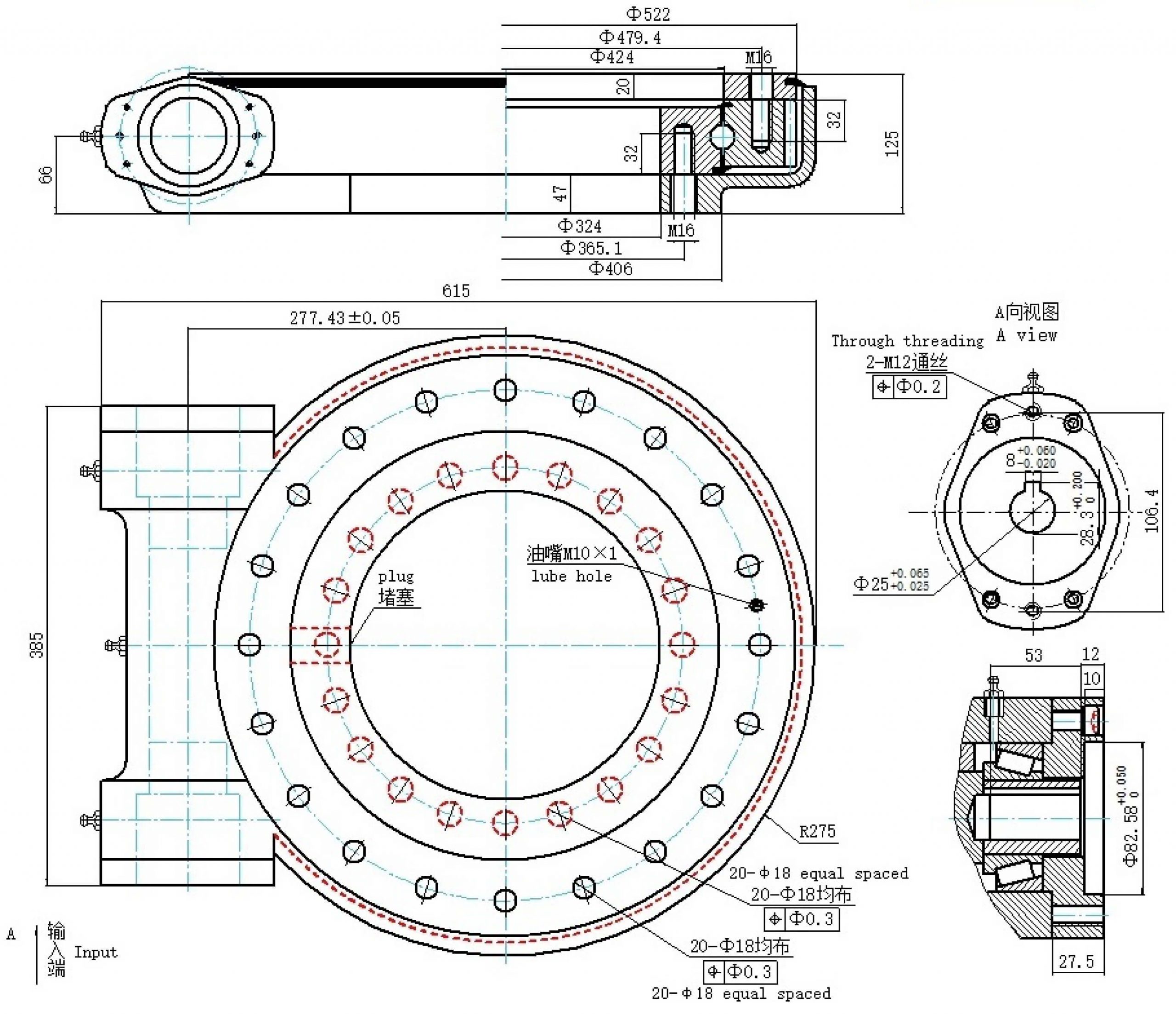
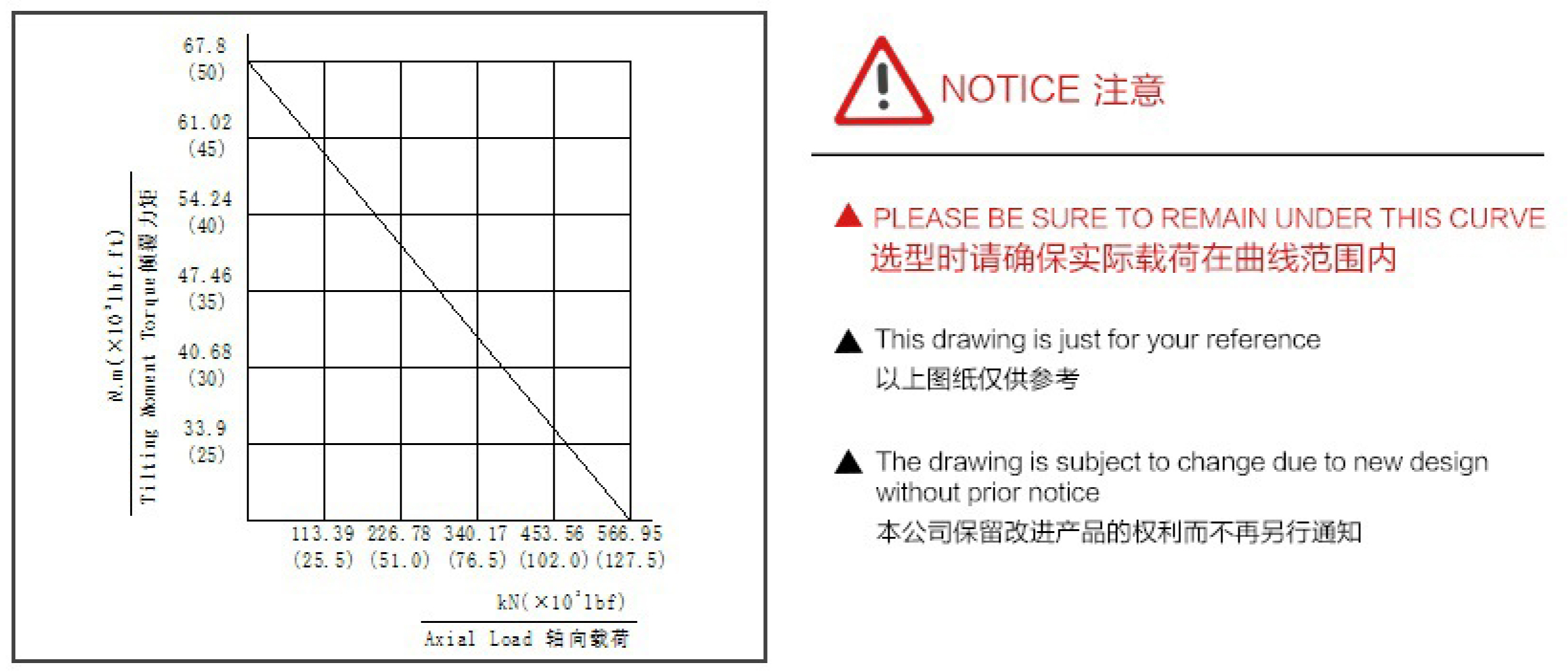
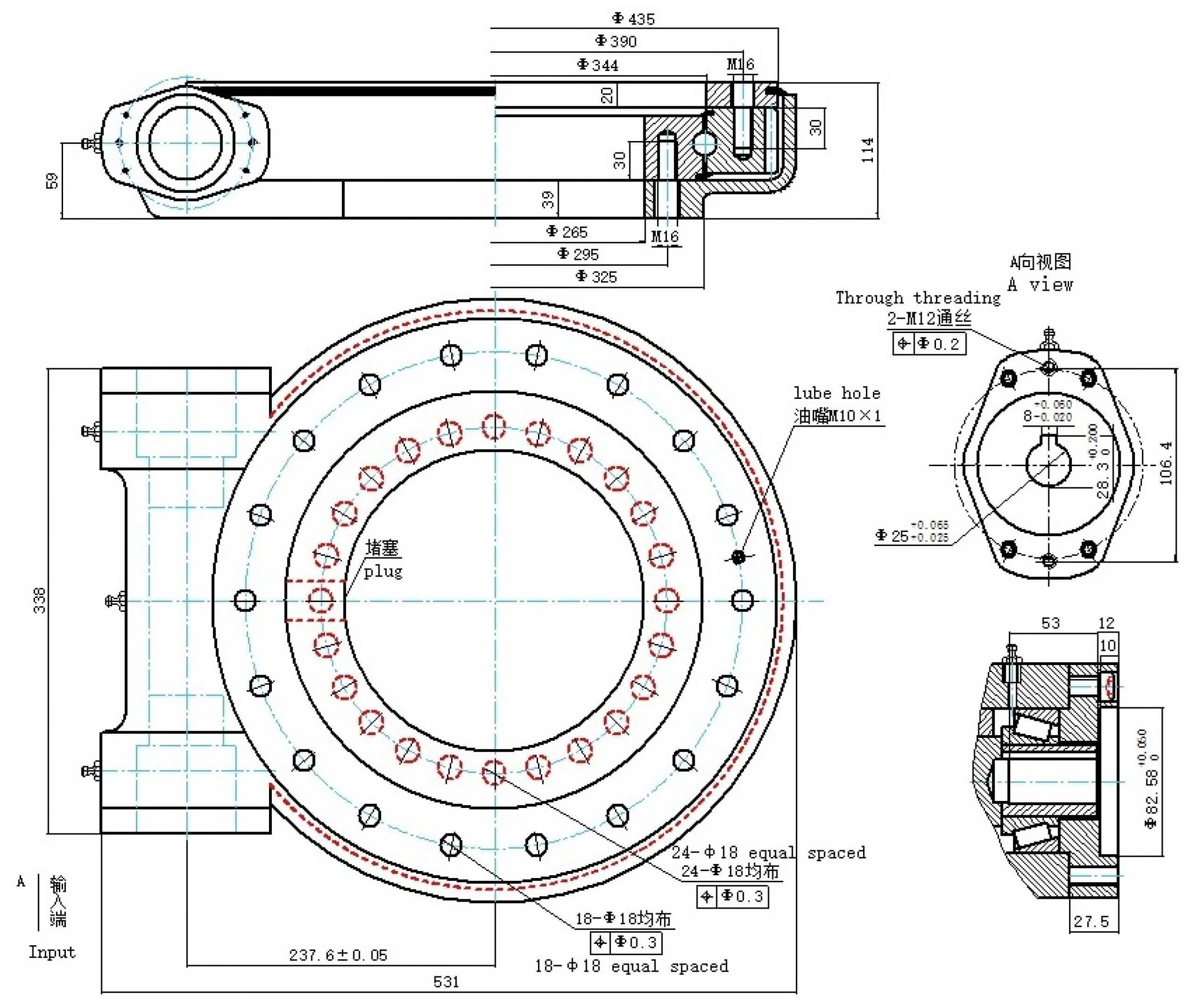
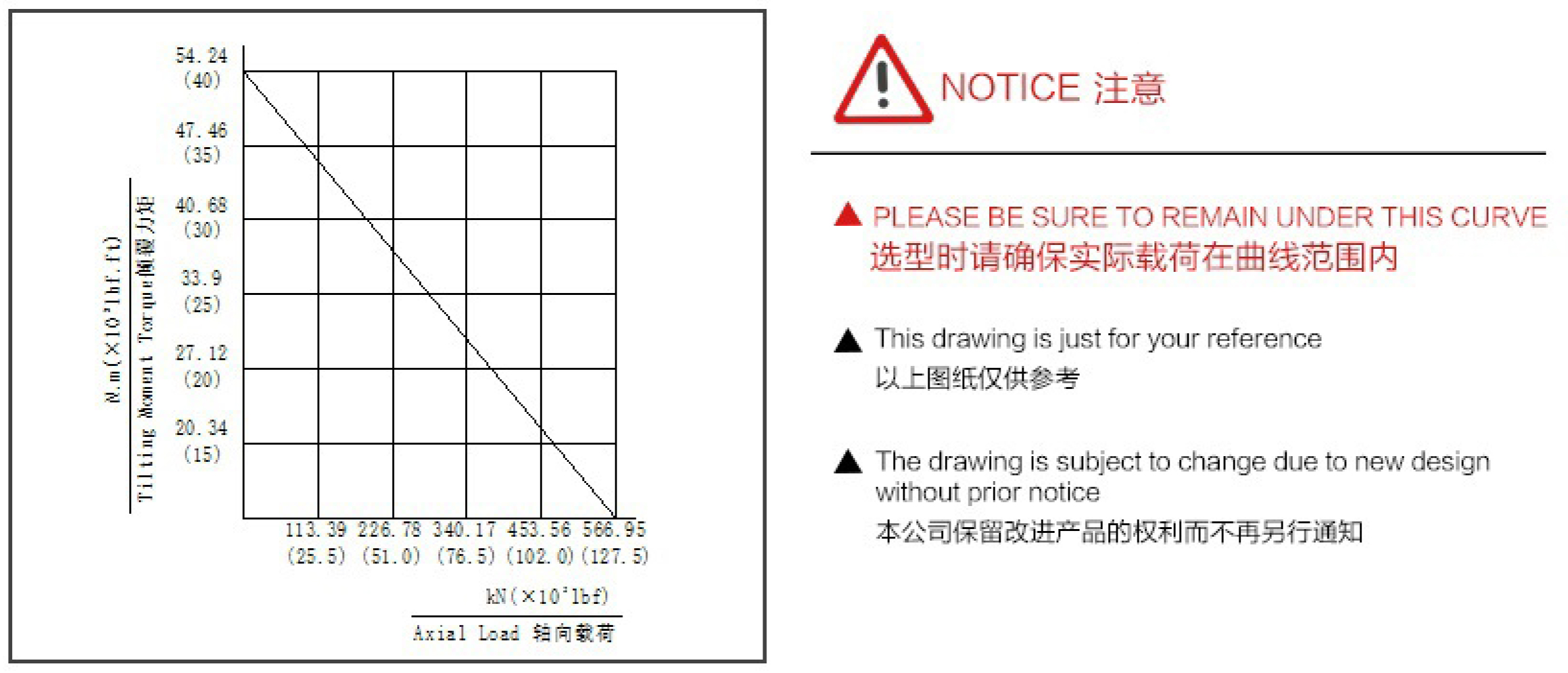
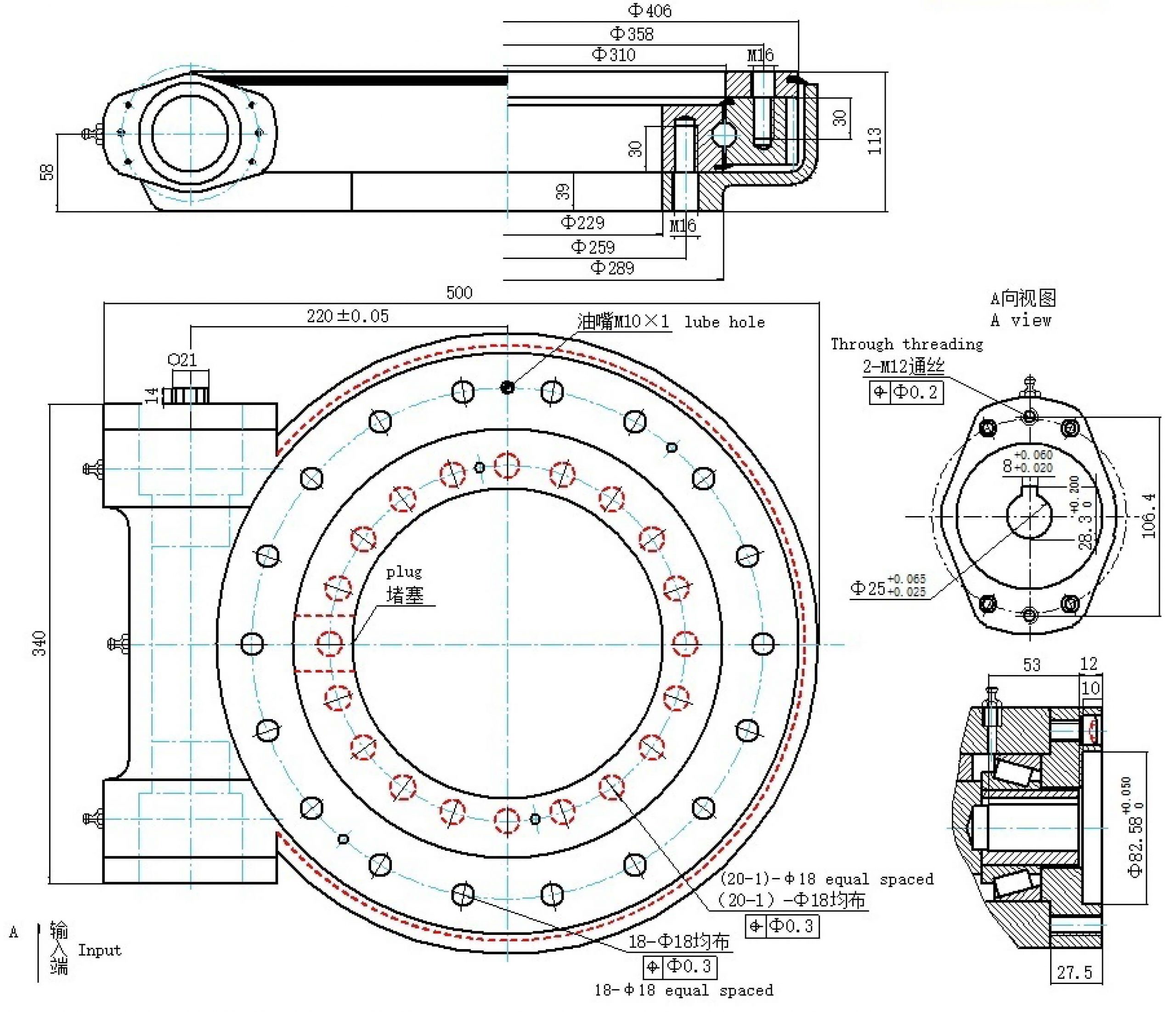
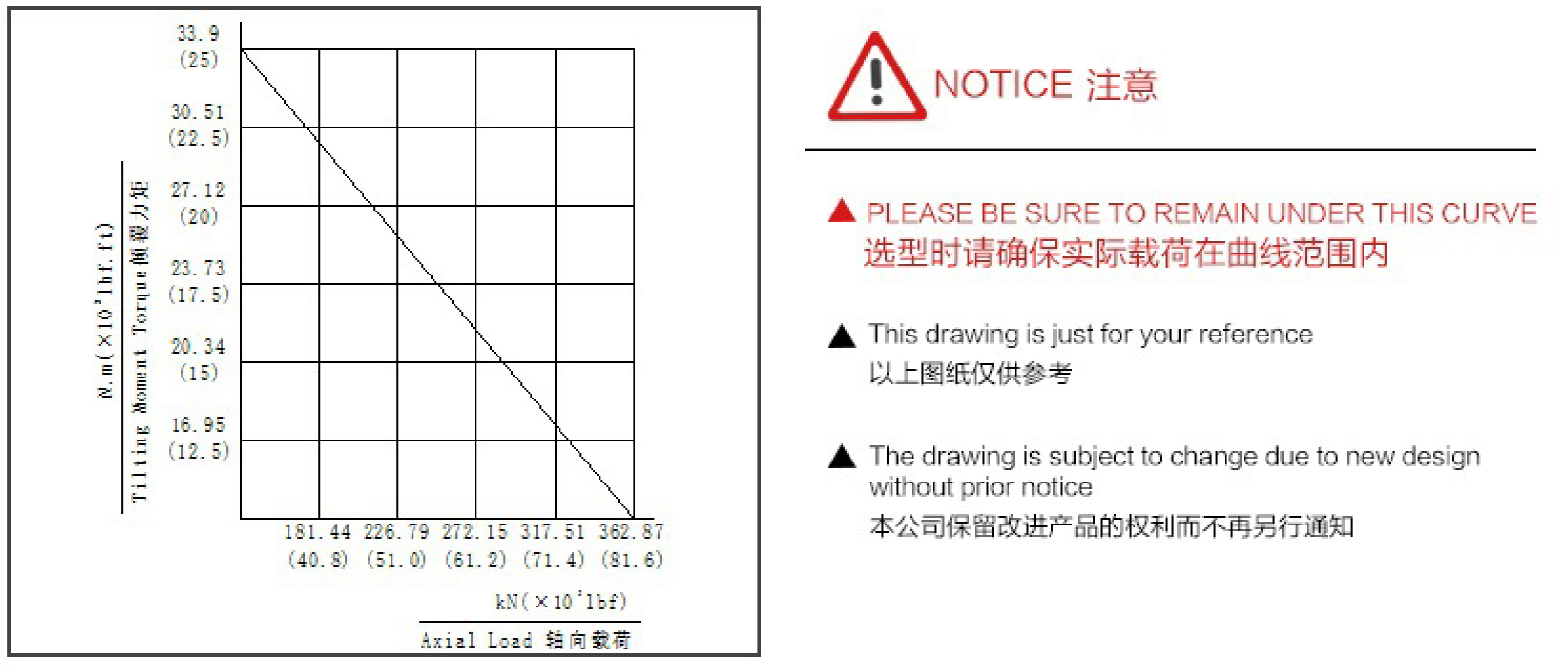
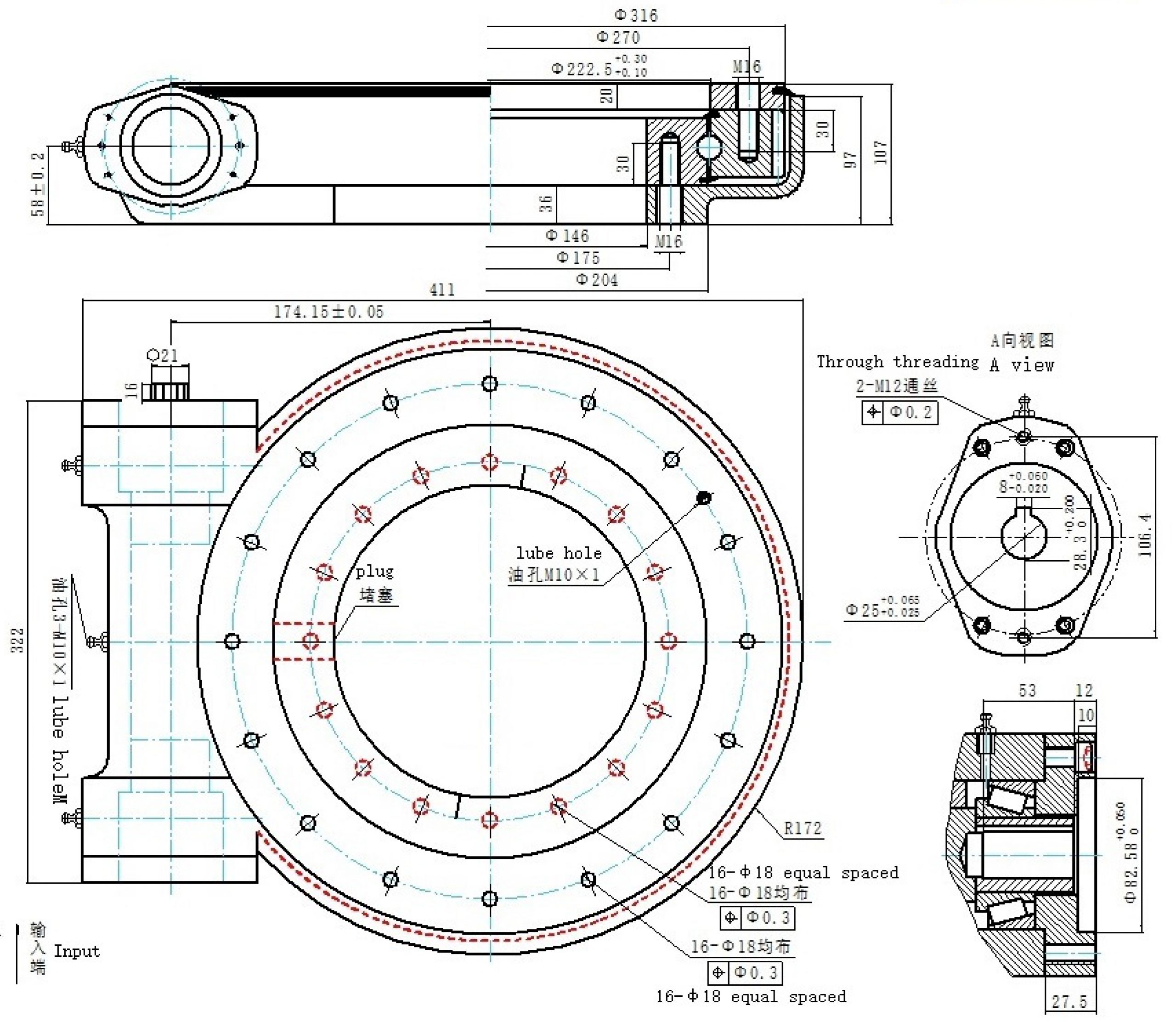
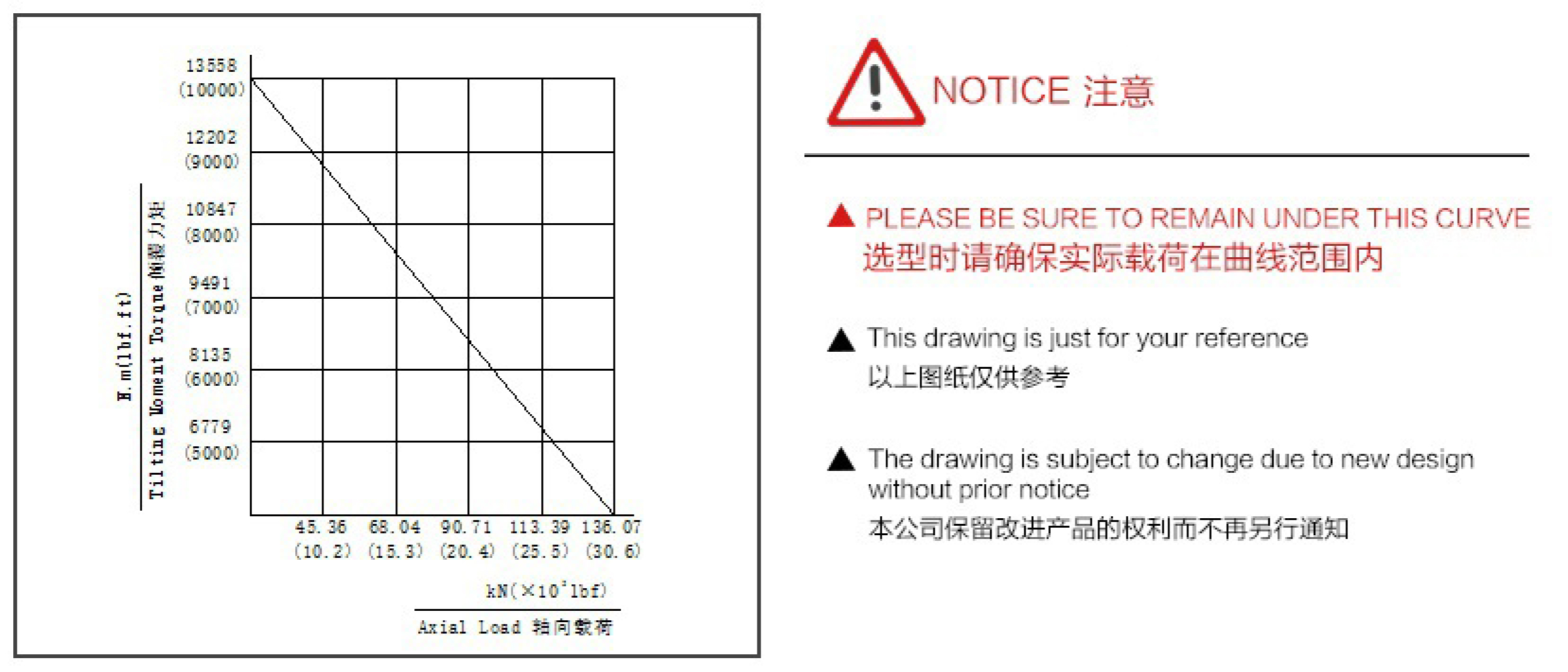
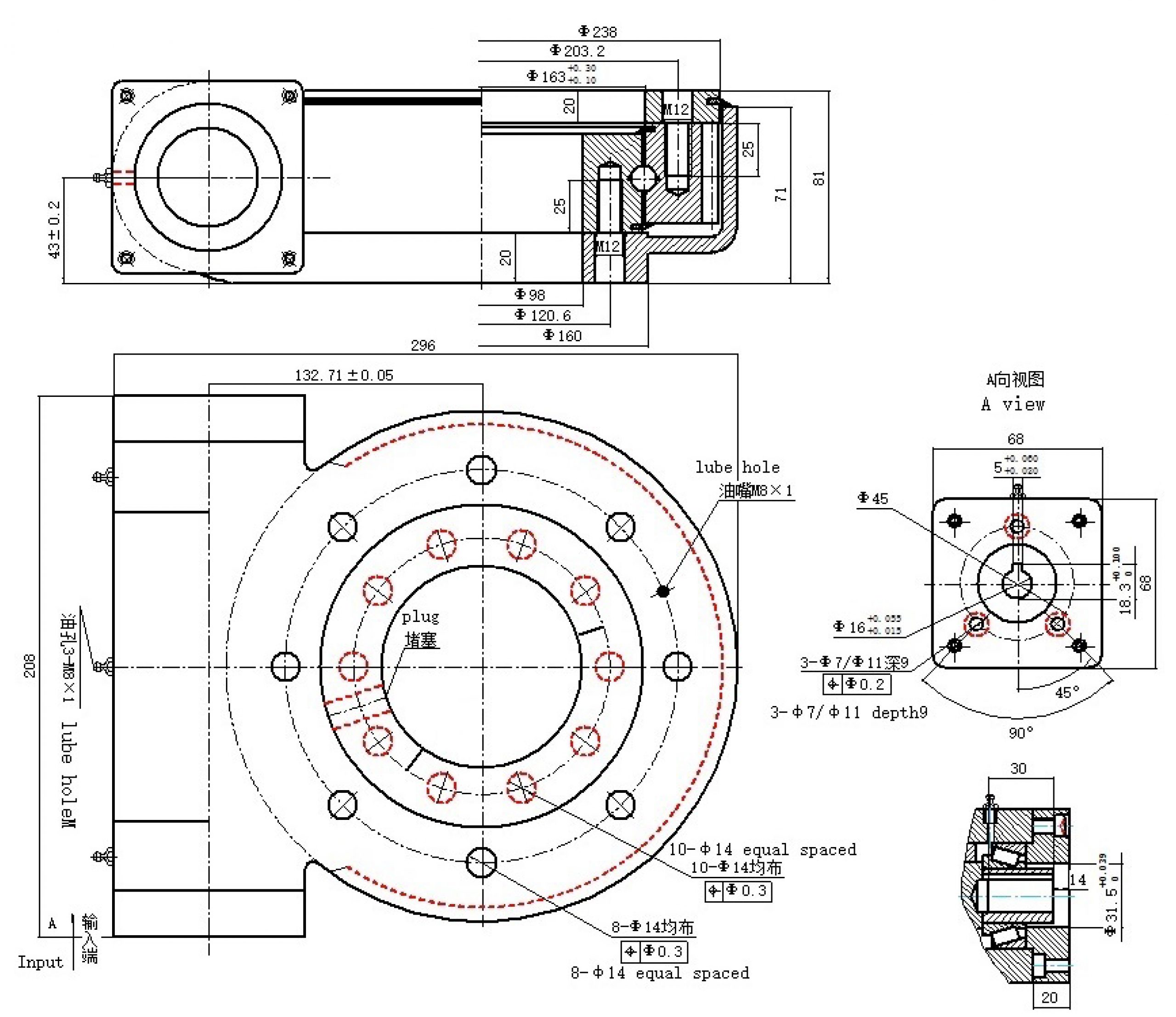
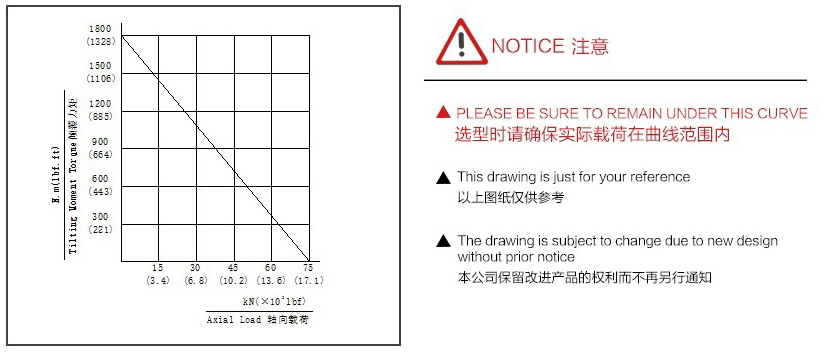
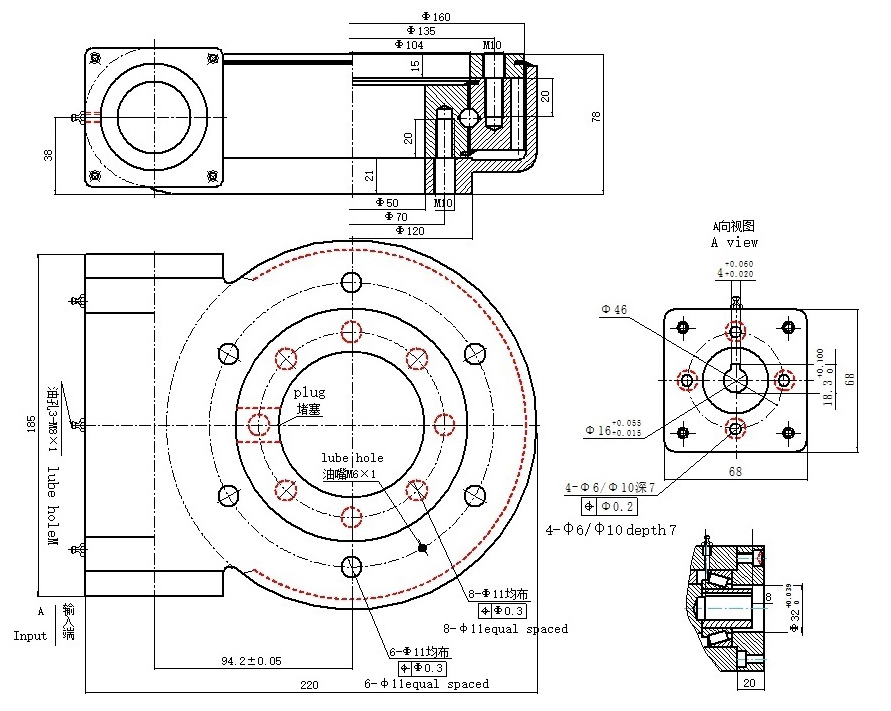
WE series heavy-duty fence type series slewing drive is an important mechanical device and is widely used in engineering and industrial fields. Their fence-like design and high-strength materials give them excellent load-carrying capabilities, allowing them to handle heavy workloads. This device has high-precision positioning capabilities to ensure that goods or equipment are placed exactly where they need to be, making it suitable for applications that require precise operation and positioning. In addition, they often feature multi-dimensional swivel capabilities that allow them to rotate horizontally and vertically, providing a versatile solution for a variety of work needs.
The W series heavy-duty slewing drive device adopts an open structure, with a large gear contact area and stronger output torque. In order to facilitate customers' use and maintenance, ZZ adopts a universal installation structure and is highly interchangeable. Flexible input interface form facilitates the connection and input of various hydraulic motors and reduction motors.
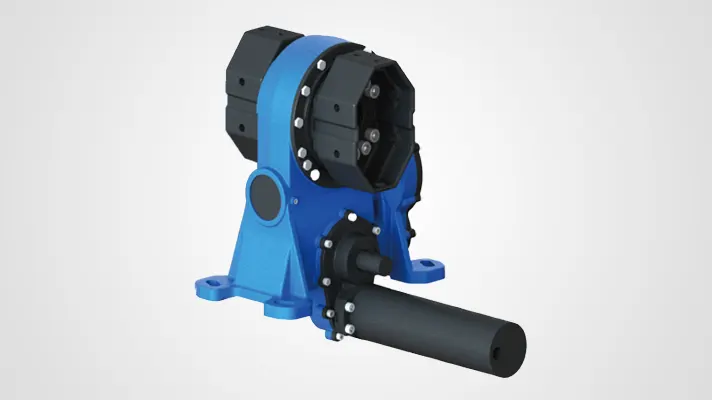
(SDE/PDE) The advantages of combined slewing drive systems for horizontal and vertical rotation include precise position control, versatility and adaptability. The horizontal rotation function allows the structure to rotate in a horizontal plane, usually within a 360-degree range, to suit different application needs. This is important for applications that require tracking targets, positioning equipment, or implementing rotating platforms. The vertical rotation function allows the structure to move up and down in the vertical plane, usually within a certain range of angles. This vertical rotation is commonly used in applications such as cameras, telescopes and astronomical observations to observe objects at different heights.
Solar tracking system slew drive is an important component that enables solar panels to track the path of the sun to obtain maximum solar energy collection efficiency. Solar tracking systems can be dual-axis tracking (tracking in both horizontal and vertical directions) or single-axis tracking (usually horizontal tracking). Dual-axis tracking provides more precise tracking, but is generally more complex.