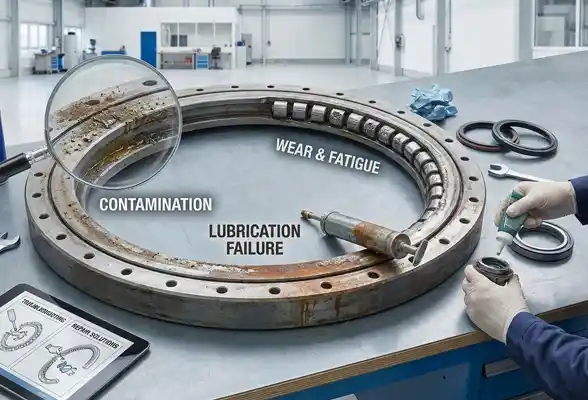



Why is My Slewing Ring Bearing Making Noise? Troubleshooting Causes and Repair Solutions
January 16, 2025
Slewing drives are the mechanical backbone of heavy machinery, solar trackers, and robotics. They provide reliable rotational torque while holding heavy loads. However, like any precision-engineered mechanical component, they require regular maintenance to function smoothly. If you are wondering how to lubricate a slewing drive correctly, you are in the right place.
Proper lubrication reduces friction, prevents wear and tear, and protects internal gears from corrosion. In this comprehensive guide, we will walk you through the exact steps to lubricate your slewing drive, the best grease to use, and the recommended maintenance schedules.
Why Lubricating a Slewing Drive is Crucial
Before diving into the steps, it is important to understand why this maintenance task cannot be ignored. A slewing drive consists of an enclosed housing containing a slewing ring (bearing) and a worm gear.
When these metal parts grind against each other under heavy loads, they generate immense friction. Without adequate lubrication, you risk:
-
Accelerated Gear Wear: Metal-to-metal contact can quickly strip the gear teeth, leading to catastrophic failure.
-
Overheating: Excessive friction leads to high operating temperatures, which can permanently damage rubber seals.
-
Corrosion and Contamination: Grease acts as a protective barrier. It seals the gaps, preventing moisture, dust, and abrasive debris from entering the raceway.
Signs Your Slewing Drive Needs Immediate Lubrication
Do not wait for a scheduled maintenance day if you notice any of the following warning signs:
-
Unusual grinding, squeaking, or clicking noises during rotation.
-
Jerky, vibrating, or uneven rotational movement.
-
Visible metal shavings or completely dry areas near the exposed gear mesh.
Step-by-Step: How to Lubricate a Slewing Drive
Lubricating your drive is a straightforward process if you follow these systematic steps to ensure maximum coverage and protection.
1. Preparation and Cleaning
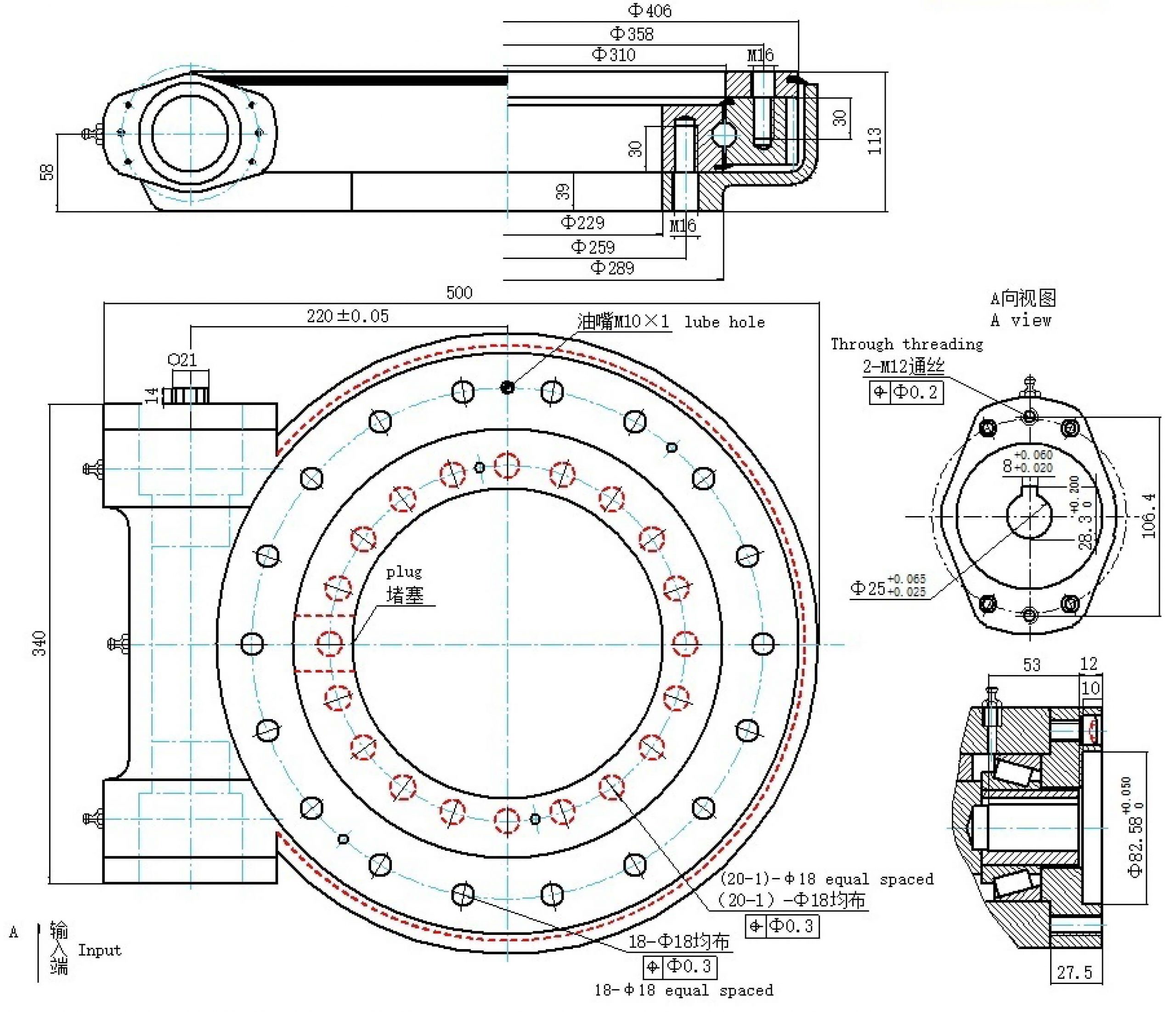
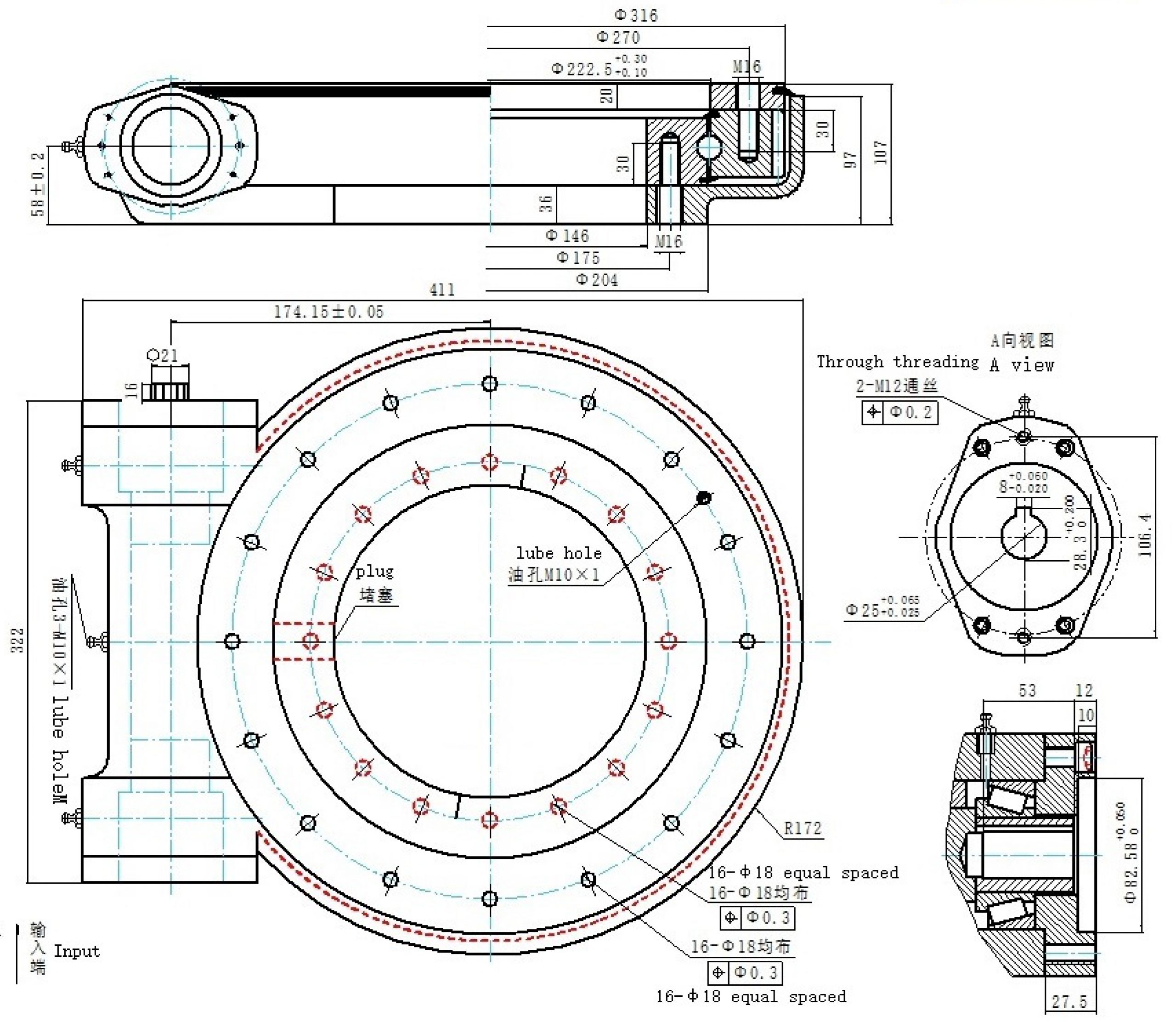
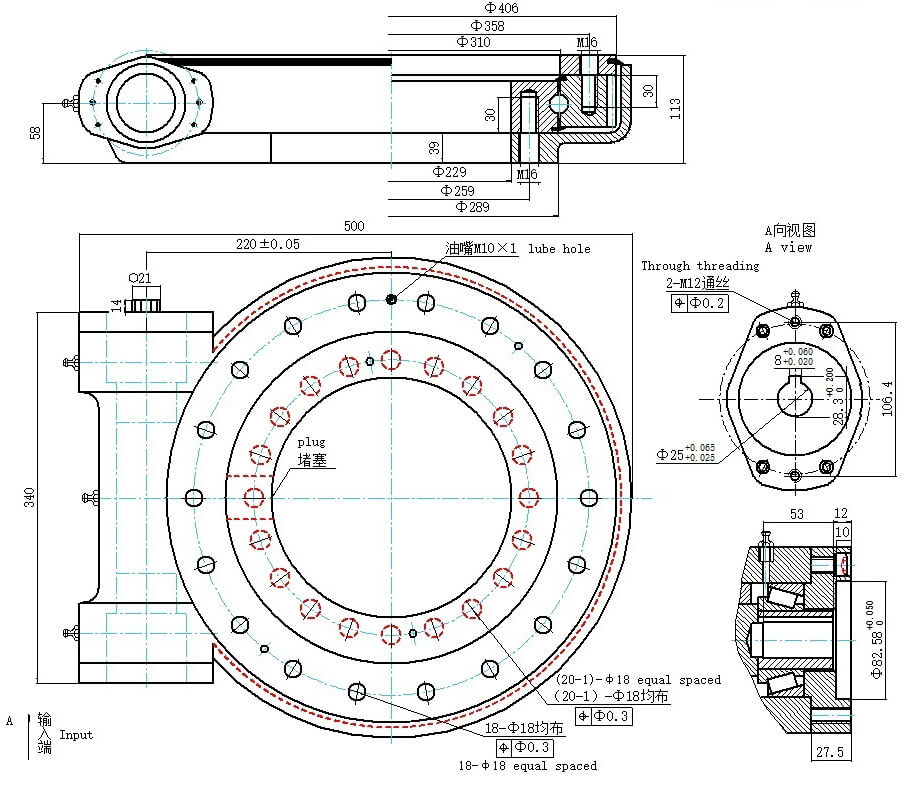
First, ensure the equipment is safely powered down and locked out. Locate the grease nipples (zerk fittings) on the slewing drive housing. Use a clean, lint-free cloth to wipe away any dirt, dust, or old, crusted grease from the fittings. Pumping new grease through a dirty fitting will push contaminants directly into the raceway, causing severe internal scoring.
2. Choose the Right Lubricant
Not all greases are created equal. The type of lubricant you need depends heavily on your operating environment, temperature fluctuations, and load capacity. Always refer to your manufacturer’s manual, but you can use our professional baseline data table below:
Table 1: Recommended Slewing Drive Lubricants by Operating Conditions